
-01KVSJFJWKYBQDEHRR6PZR72MV.webp)
-01KVSJFK0AYAXR4SQCGP7GEVXK.webp)
-01KVSJFJYFFD6TX2G1164ER85W.webp)
-01KVSJFK2BGH9338B7KVS5W99W.webp)
Buy Reed Switch, a Small Switch Sensor for Various Applications, Ideal Magnetic Reed Switch for Your Projects
Description
What is a Reed Switch?
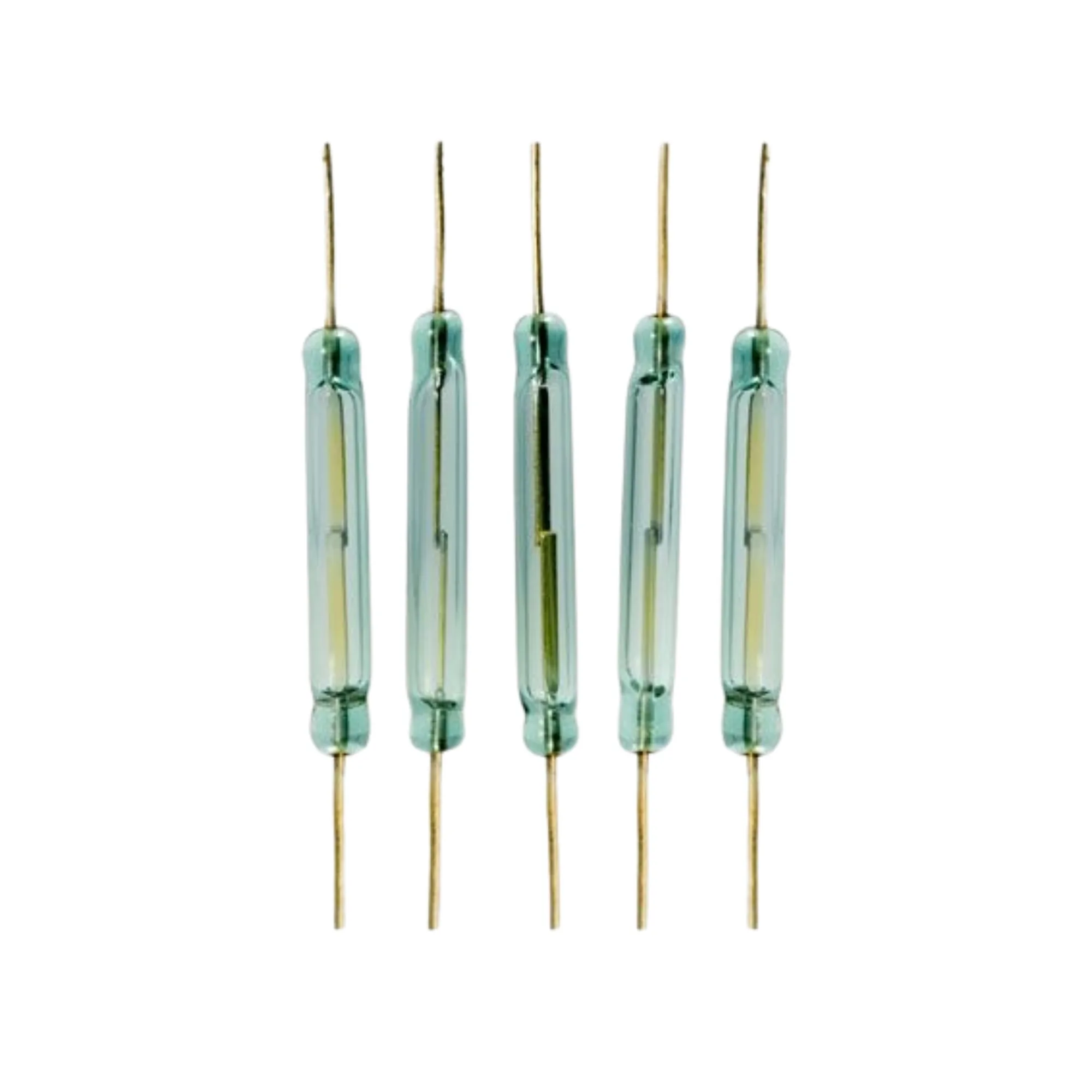
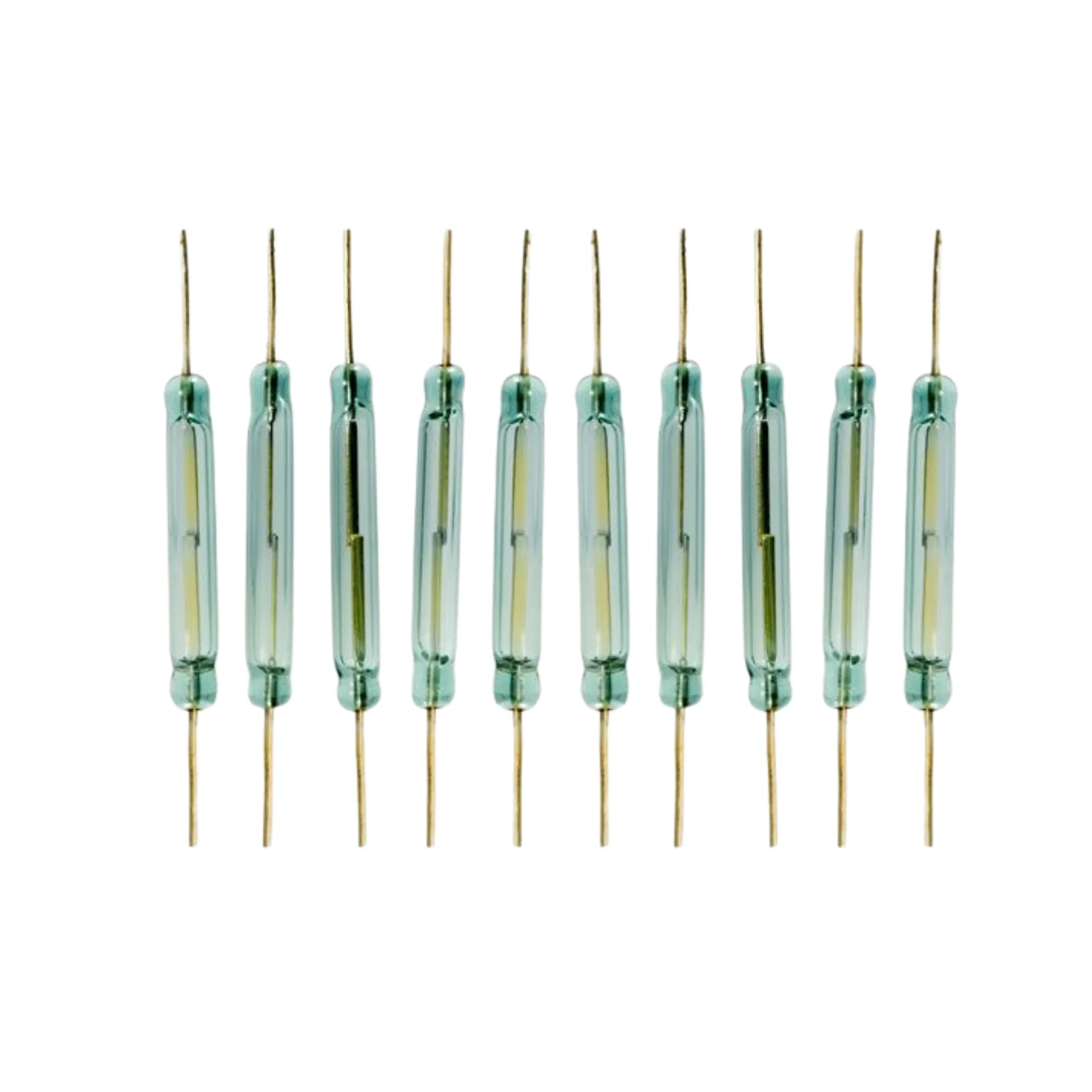
A reed switch is a small switch that operates using a magnetic field. It consists of two ferromagnetic contacts sealed in a glass tube. When a magnet approaches, the contacts close, allowing current to flow. This simple yet effective mechanism makes the reed switch a popular choice in various applications.
How Does a Reed Switch Work?
The working principle of a reed switch is straightforward. When a magnetic field is applied, the reed contacts inside the glass tube come together, completing the circuit. This action can be reversed when the magnetic field is removed, causing the contacts to separate and break the circuit. This on-off functionality is what makes the reed switch sensor so versatile.
Applications of Reed Switches
Reed switches are widely used in security systems, automotive applications, and household appliances. For instance, they can be found in door sensors, window sensors, and even in some electronic toys. Their small size and reliability make them ideal for projects where space is limited.
Types of Reed Switches
There are various types of reed switches available, including normally open (NO) and normally closed (NC) configurations. The NO reed switch closes when a magnetic field is present, while the NC reed switch opens under the same conditions. Understanding these types is crucial for selecting the right reed switch for your project.
Using Reed Switches with Arduino
Integrating a reed switch with Arduino is a popular project among electronics enthusiasts. By connecting the reed switch to an Arduino board, you can create various applications, such as alarms or automated systems. This combination allows for easy programming and customization, making it a favorite in DIY projects.
Advantages of Using Reed Switches
One of the main advantages of reed switches is their durability. Since they are sealed in glass, they are resistant to dust and moisture. Additionally, they require very little power to operate, making them energy-efficient. Their simple design also means fewer components, which can reduce the overall cost of your project.
Choosing the Right Reed Switch
When selecting a reed switch, consider factors such as the switching voltage, current rating, and size. Ensure that the reed switch meets the specific requirements of your application. Whether you need a magnetic reed switch for a wardrobe sensor or a reed relay for industrial use, there is a suitable option available.
Reviews (132)
Reviews
Showing 0 of 132
No ★ reviews yet.
Additional Information
| Brand | Electro Global |
| SKU | EG0070-P1 |
| Category | Electronics |
| Weight | 100g |
| Origin | India |
| Variants | 3 options available |
What is a Reed Switch?
A reed switch is a small switch that operates using a magnetic field. It consists of two ferromagnetic contacts sealed in a glass tube. When a magnet approaches, the contacts close, allowing current to flow. This simple yet effective mechanism makes the reed switch a popular choice in various applications.
How Does a Reed Switch Work?
The working principle of a reed switch is straightforward. When a magnetic field is applied, the reed contacts inside the glass tube come together, completing the circuit. This action can be reversed when the magnetic field is removed, causing the contacts to separate and break the circuit. This on-off functionality is what makes the reed switch sensor so versatile.
Applications of Reed Switches
Reed switches are widely used in security systems, automotive applications, and household appliances. For instance, they can be found in door sensors, window sensors, and even in some electronic toys. Their small size and reliability make them ideal for projects where space is limited.
Types of Reed Switches
There are various types of reed switches available, including normally open (NO) and normally closed (NC) configurations. The NO reed switch closes when a magnetic field is present, while the NC reed switch opens under the same conditions. Understanding these types is crucial for selecting the right reed switch for your project.
Using Reed Switches with Arduino
Integrating a reed switch with Arduino is a popular project among electronics enthusiasts. By connecting the reed switch to an Arduino board, you can create various applications, such as alarms or automated systems. This combination allows for easy programming and customization, making it a favorite in DIY projects.
Advantages of Using Reed Switches
One of the main advantages of reed switches is their durability. Since they are sealed in glass, they are resistant to dust and moisture. Additionally, they require very little power to operate, making them energy-efficient. Their simple design also means fewer components, which can reduce the overall cost of your project.
Choosing the Right Reed Switch
When selecting a reed switch, consider factors such as the switching voltage, current rating, and size. Ensure that the reed switch meets the specific requirements of your application. Whether you need a magnetic reed switch for a wardrobe sensor or a reed relay for industrial use, there is a suitable option available.
Related Products
You May Also Like
Complete Your Order
Frequently Bought Together
Frequently Asked Questions
Related Content
Related Products
- A3144 Hall Effect Sensor for Magnetic Field Detection Projects
- Explore High-Quality 4-Pin Tactile Push Button Switch for Projects - Perfect Push Button Switches, Buttons, and Electric Switches
- A3144 Hall Effect Sensor for Various Applications, Including Hall Sensor, Hall Effect Sensor Controller, and More
- Push Button Switch 2 Pin Tactile Micro Switch for Buttons, Switch, and Push Button Switch Applications
- SPDT 5V PCB Mount Relay for 1 Channel Relay Module, Sugar Cubes, 5V Relay Module, and Relay Module
- SPDT 5V PCB Mount Relay Module for Arduino, 1 Channel Relay Module, Sugar Cubes Compatible, 5V Relay Module Use
- 2-Pin SPST ON-OFF Mini Rocker Switch - 2A 250V for mini switch, pushbutton on off switch, on off switch, ac switch, button on off switch