
Rechargeable Cell Explained: Types, 3.7V Li-Ion & Price Guide
A practical guide to rechargeable cell types, 3.7 V lithium-ion charging, Indian prices and choosing a safe battery for electronics.
Introduction
rechargeable cell labels can confuse buyers. A lithium-ion cell marked 3.7 V may measure 4.2 V after charging, while a rechargeable AA can show 1.2 V rather than the 1.5 V you expected. Neither reading automatically means the battery is faulty.
The important choice is chemistry, current capability and charging method. A cell that lights an LED may still struggle when two motors start together. Your regulator and enclosure also need to suit the battery.
We recommend checking the complete power system before ordering. The following guide explains battery types, practical voltage limits, Indian prices and the tests we'd do on the bench.
What a rechargeable cell actually does
How it works
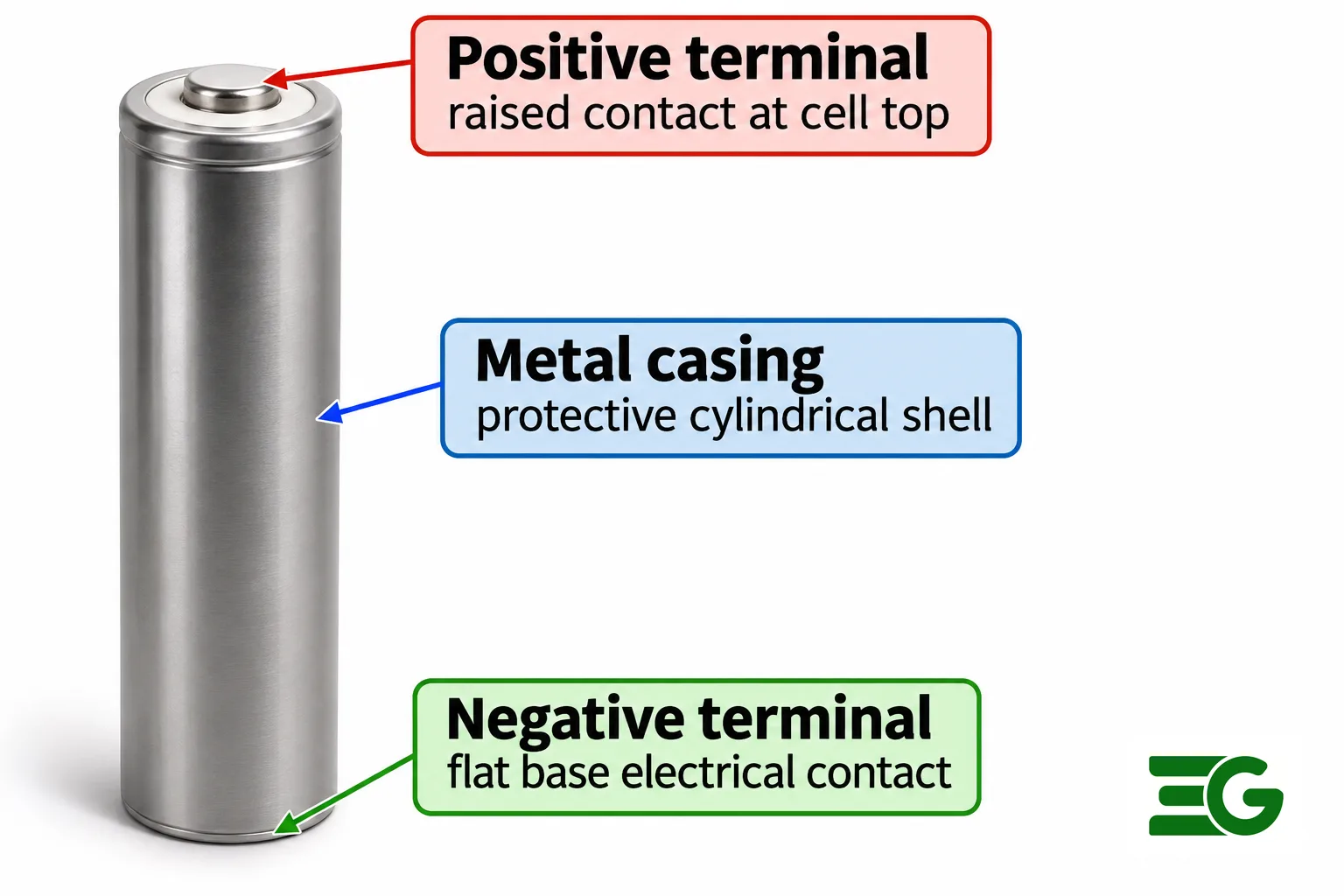
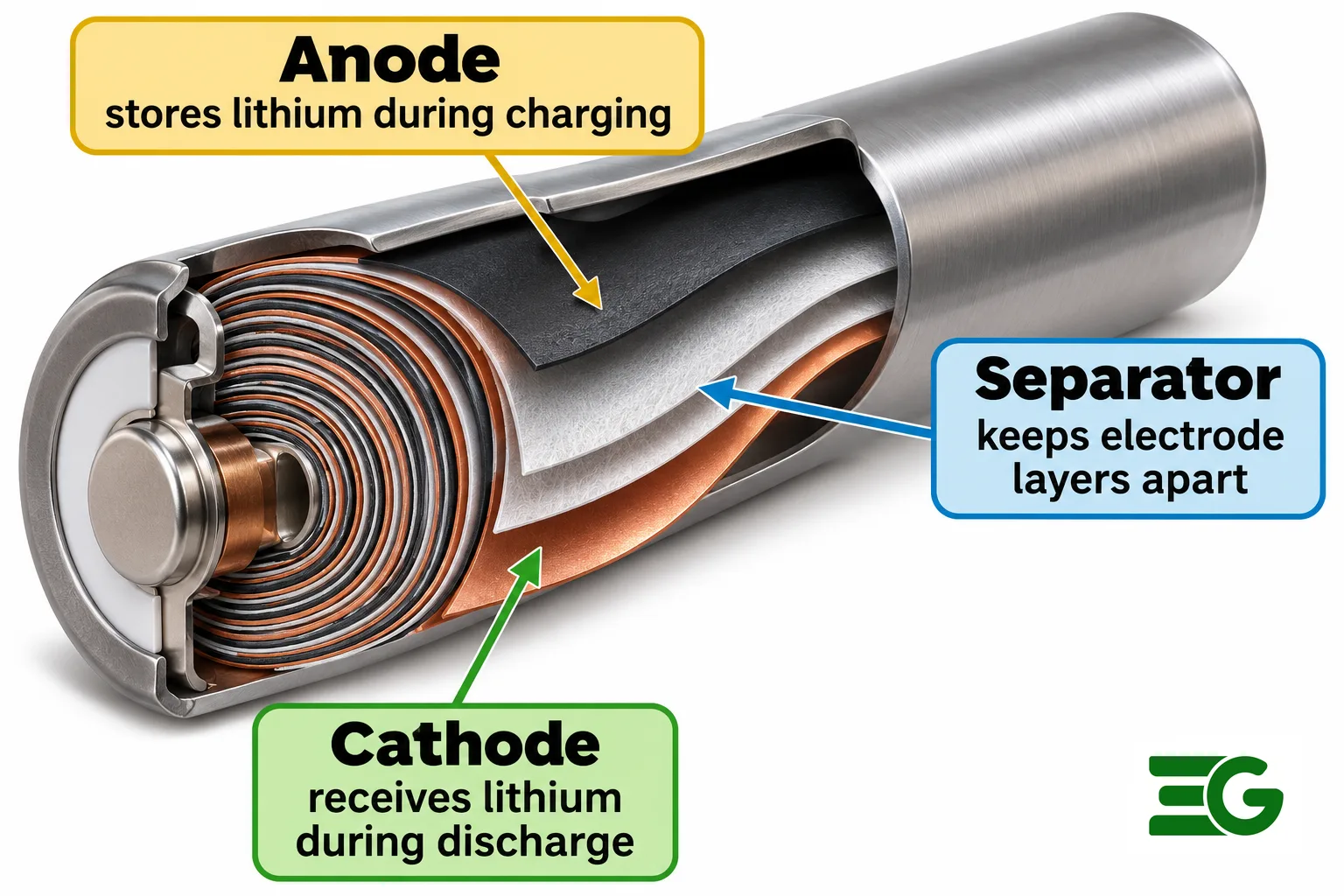
A rechargeable cell stores energy through reversible chemical reactions. During discharge, ions move inside the cell and electrons flow through the circuit. Charging reverses those reactions using a compatible controlled charger. A single cell is different from a pack containing several cells. We would identify the chemistry before choosing any charging board, because a bare cylindrical cell and a finished protected pack are not interchangeable.
What to check
Capacity in milliamp-hours describes charge under specified test conditions. It does not establish the current a cell can safely supply. Multiply nominal voltage by amp-hours for a rough energy estimate: a 3.7 V, 2000 mAh cell represents about 7.4 Wh. At 2 W, the ideal runtime is around 3.7 hours, but conversion losses and cutoffs shorten it. For motors, we'd measure actual load current before estimating runtime.
Our bench recommendation
Rechargeable batteries cost more when a compatible charger and protection hardware are included. They can pay off in frequently used toys or instruments. A remote that runs for years on alkaline cells may not justify the upfront cost. We would compare how many replacements the device actually needs, rather than assume rechargeable always means cheaper. Storage conditions matter too, because heat can accelerate battery ageing.
Primary and secondary types of battery
How it works
Ordinary alkaline AA cells are primary batteries intended for a single discharge period. Nickel-metal hydride, or NiMH, cells are secondary batteries that can be charged repeatedly. NiMH AA cells typically carry a 1.2 V nominal rating, compared with roughly 1.5 V for a fresh alkaline cell. Many products tolerate the difference, but some voltage-sensitive devices do not. Never charge a conventional alkaline cell in a NiMH charger.
What to check
Conventional lithium-ion cells often carry 3.6 V or 3.7 V nominal ratings. Lithium polymer pouch cells fit slim enclosures, while lithium iron phosphate cells usually have nominal voltages near 3.2 V and require different charging limits. A pouch is not automatically safer because it is light. We'd check chemistry, mechanical protection and charging method rather than choose solely by shape.
Our bench recommendation
A battery definition should also distinguish energy from power. Capacity influences runtime, while the discharge-current rating determines whether a cell can support demanding loads. A high-capacity cell may still struggle with a motor starting under load. The same problem occurs when holders and thin wires introduce resistance. For robotics, we'd prioritise documented current capability over an unusually large capacity number.
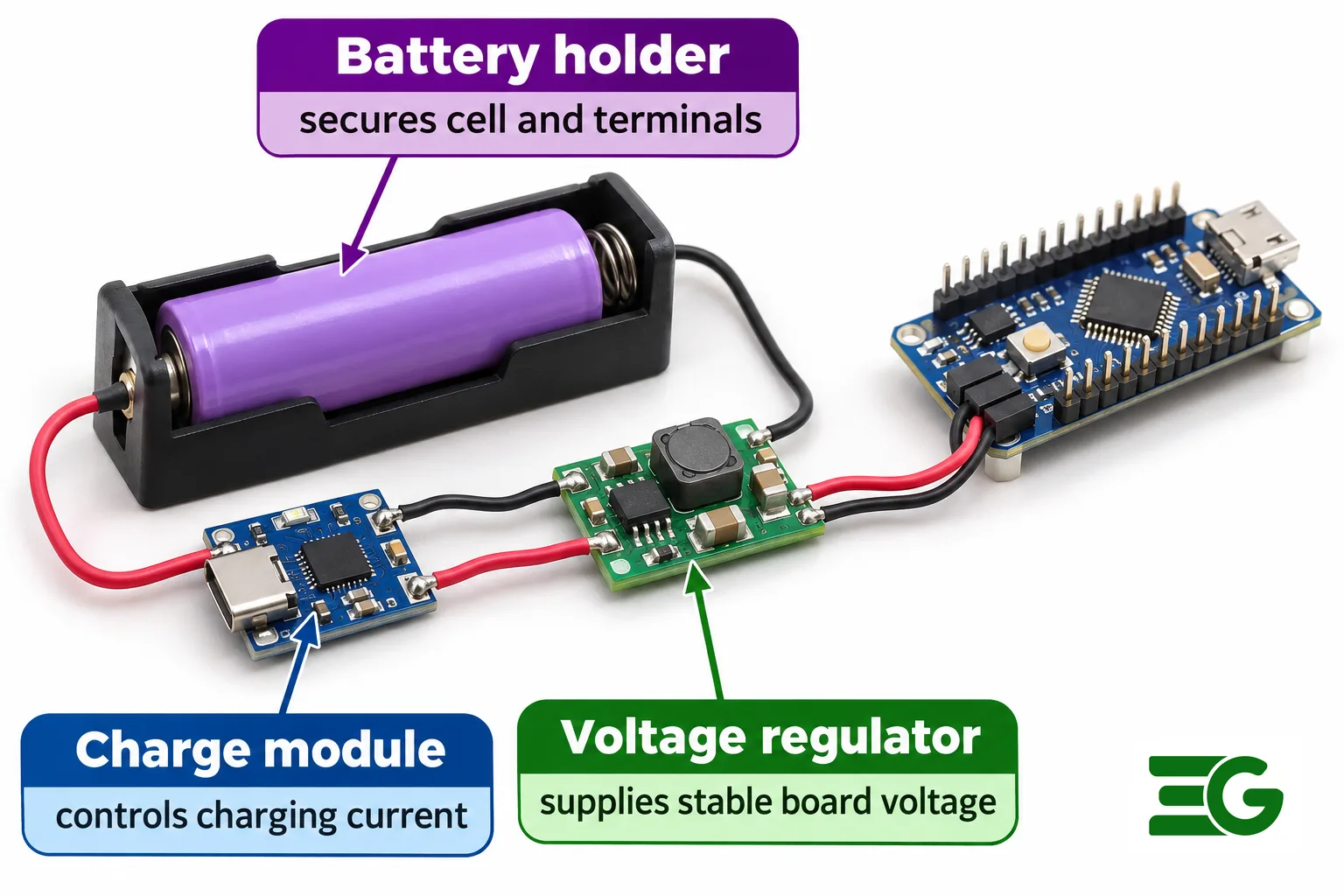
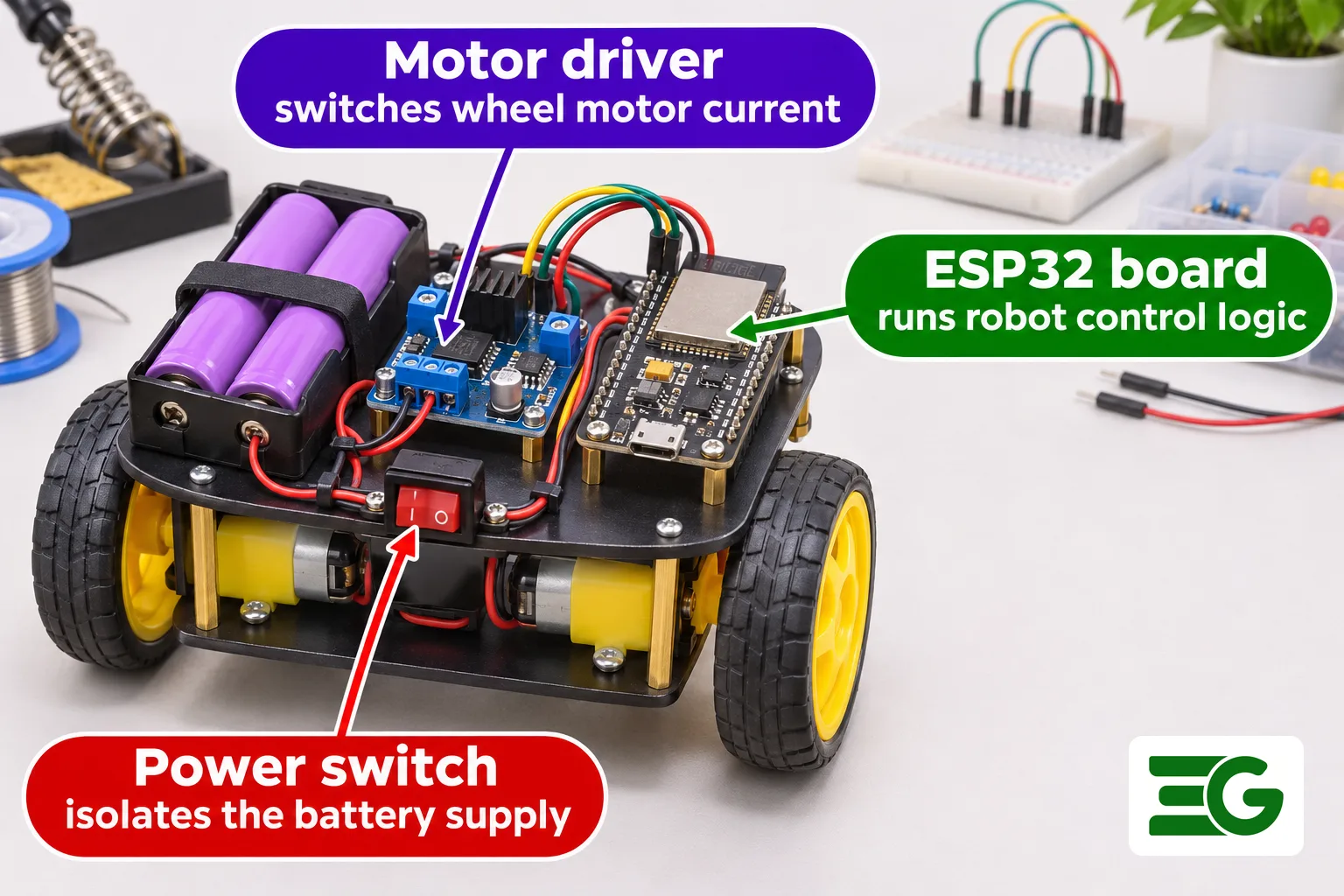
On the bench, trace the complete power path. The cell feeds a holder and switch, then a regulator supplies the controller. A motor driver may draw current from a separate rail, but grounds must be arranged correctly for the design. Thin shared wiring can cause voltage dips during motor startup. We'd sketch this circuit before soldering, especially when a robot combines sensors, motors and wireless communication.
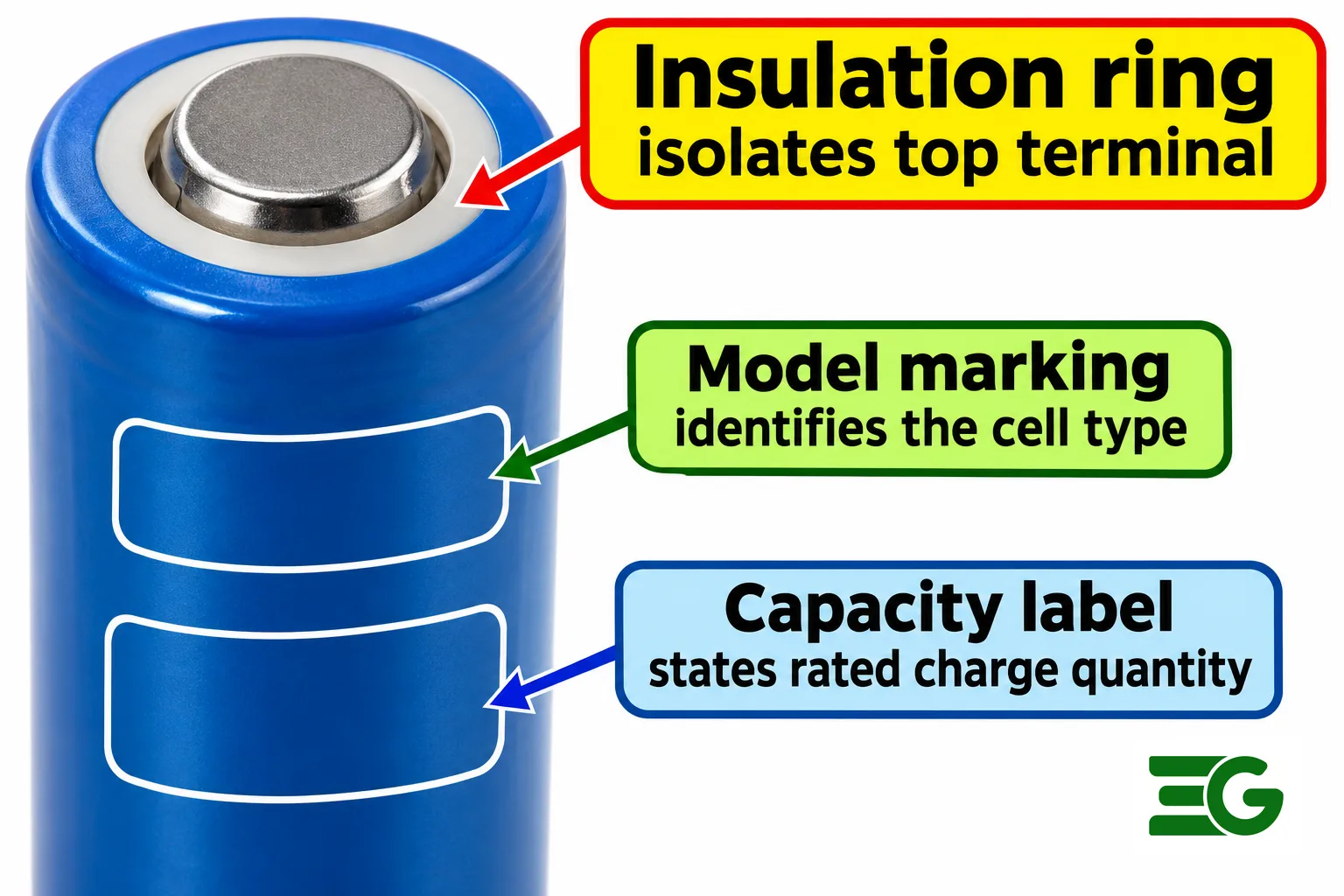
Capacity ratings are measured under particular conditions. Higher currents, temperature and cutoff settings can reduce the usable energy. A label without a manufacturer part number tells you very little. We prefer a credible datasheet and a repeatable load test. A motor that starts reliably is more useful than a cell claiming an extraordinary milliamp-hour figure.
Why a 3.7 v battery reads 4.2 V
How it works
The printed 3.7 V value is nominal, not a fixed output. Many conventional lithium-ion cells reach approximately 4.2 V after a full charge. That reading can be normal, but it does not apply to every lithium chemistry. The manufacturer's datasheet defines the correct voltage limits. We wouldn't connect a cell directly to a 3.3 V input simply because the wrapper says 3.7 V.
What to check
Voltage drops under load because cells and connectors have resistance. A robot may look fine when switched off, then reset its ESP32 when both motors start. Check voltage while the motors run and inspect the regulator, wiring and holder contacts. An unloaded multimeter reading cannot establish usable capacity. We would diagnose the entire power path before replacing the cell.
Our bench recommendation
Lower discharge limits vary by cell and protection circuit. Some datasheets allow discharge to around 2.5 V, while many products cut off earlier. Don't copy a cutoff from another chemistry. Store cells away from heat and loose metal objects that could short their terminals. Stop using a swollen, crushed or abnormally hot cell. We wouldn't attempt to revive an unknown deeply discharged lithium cell with improvised equipment.
Storage affects battery life. Lithium-ion cells can age faster when exposed to heat or kept at high state of charge for long periods. A closed enclosure in direct summer sunlight is a poor storage location. We would follow the cell maker's storage recommendations and keep terminals insulated. Never leave loose cells among screws, keys or other conductive objects.
NiMH voltage can confuse devices calibrated for alkaline batteries. A low-battery symbol may appear even though the rechargeable cell still has usable energy. Test actual runtime rather than judge the cell from a single voltage reading. If the product manual requires a specific battery type, follow it. For a rarely used remote, ordinary alkaline cells may remain the simpler choice.
How to charge a rechargeable cell safely
How it works
Conventional lithium-ion charging normally uses a controlled constant-current stage followed by constant-voltage charging and proper termination. Many common 3.7 V cells charge to 4.2 V, but some types use other limits. A USB adapter alone is not a lithium-ion charger. A protection board may disconnect unsafe conditions without managing the normal charge cycle. We'd select a documented charger that explicitly matches the cell chemistry.
What to check
Series packs require the correct multi-cell charger and suitable protection, often including cell balancing. A single-cell charger is not appropriate for a two-cell series pack. Check connector polarity even if two plugs look identical. In a first student project, a ready-made protected battery and matched charger are easier to verify than a custom high-energy assembly.
Our bench recommendation
Inspect the cell for dents, leakage or damaged insulation before charging. Check polarity and charging limits, keep the setup away from flammable clutter and stop if the cell becomes unusually hot. Do not leave an improvised charging arrangement unattended. Avoid charging a cell while an unknown load interferes with charge termination. We'd rather spend time verifying the charger than risk damage to the cell and project.
A regulator needs to tolerate the full battery voltage range. A design that works at nominal voltage might fail when the cell is fully charged or nearly empty. Check both the maximum input rating and minimum operating voltage. A buck converter cannot always maintain output when its input drops too low. We would test the board at realistic battery extremes before enclosing it.
Cell holders deserve attention. Spring contacts can loosen under vibration and corrode in humid conditions. Protected cylindrical cells may be longer than unprotected models of the same format. Measure the holder and check its current rating. A loose contact can make a robot reboot and look like a firmware bug. We'd inspect connectors before changing code.
Li ion battery price in India in 2026
How it works
The li ion battery price in India depends on cell brand, capacity, current rating, protection and whether the listing describes one cell or a complete pack. Indian comparison listings show inexpensive 18650 cells around ₹40, with documented branded cells costing several hundred rupees. These are observed offers, not guaranteed checkout prices. We'd compare exact part numbers and specifications before deciding that the lowest listing is the best value.
What to check
A pack includes cells, interconnects, insulation, protective electronics, wiring and housing. Its price cannot be compared directly with that of one loose cell. Estimate watt-hours from nominal voltage and amp-hours, then compare delivered cost per usable watt-hour. Ask about the BMS, charger and warranty. For a larger pack, safe assembly and replacement support matter more than an impressive discount.
Our bench recommendation
Cheap cells sometimes carry implausible capacity claims. The 18650 format describes approximate physical dimensions, not authenticity, capacity or continuous current. A seller should identify the manufacturer model and provide credible specifications. We would avoid mixing unknown cells in a pack, particularly if their age and condition differ. Budget for the holder, charger and shipping, not just the cell.
Choosing a rechargeable cell for your device
How it works
An 18650 cell is approximately 18 mm wide and 65 mm long, though protected versions can be longer. Check the holder and enclosure before ordering. For a motor project, measure startup current and the regulator's minimum input voltage. A cell can have plenty of nominal capacity yet still sag under sudden load. We'd test the intended motor arrangement rather than rely on an online capacity claim.
What to check
Flat lithium polymer pouch cells fit thin electronics, but need protection from punctures, bending and sharp PCB edges. Connector polarity varies, even among visually similar plugs. The charging circuit must suit the exact chemistry and series count. For wearables or small sensors, we'd pay attention to mechanical mounting and cable strain relief before increasing battery size.
Our bench recommendation
NiMH AA cells suit many compatible household products. Some USB-C rechargeable AA models use internal electronics to supply a regulated output around 1.5 V, which differs from a typical 1.2 V NiMH cell. Compatibility varies with the device. We'd test a single cell before buying a large pack, especially for measuring instruments or devices with sensitive battery indicators.
Think about total project cost. The charger, protection board, holder and wiring can cost more than a cheap bare cell. A documented ready-made battery may save assembly and troubleshooting time. For college demonstrations, dependable power is usually more valuable than the lowest initial price. We'd keep a spare compatible cell only if it can be stored and transported safely.
Record your first successful test. Note the cell model, charger, nominal voltage, regulator output and runtime under a typical load. If the project later runs for less time, those measurements help separate battery ageing from loose connections or increased motor friction. A simple notebook entry is enough. Repeatable observations beat guessing from the wrapper.
Testing, mistakes and buying checklist
How it works
Start with a multimeter reading of the cell's open-circuit voltage and check polarity. Power the regulator alone, measure its output, then add the microcontroller, sensors and motors in stages. Watch voltage during motor startup. If the ESP32 resets or a wire heats, stop and inspect the power path. A staged test makes faults easier to isolate than connecting everything at once.
What to check
Common mistakes include confusing nominal and full-charge voltage, using a protection PCB as if it were a charger, ignoring current ratings and assuming all lithium cells share one charging profile. A 3.7 V battery can exceed the input limit of a 3.3 V circuit. We would check regulator specifications and connector polarity before applying power. A little bench preparation can prevent an expensive board failure.
Our bench recommendation
A useful buying checklist includes chemistry, nominal voltage, maximum charge voltage, discharge cutoff, capacity, continuous current, dimensions, protection, charger and connector. Check the delivered price and warranty as well. For an enclosed project, leave space for safe mounting and consider Indian summer heat and monsoon humidity. We'd record the cell model and measured runtime so later replacements can be checked against the original design.
Conclusion: choose compatibility before price
How it works
A rechargeable cell is worth buying when it matches the device voltage, current demand and charging method. For compatible AA products used regularly, NiMH is often practical. For a 3.7 V electronics project, choose a documented lithium-ion cell with appropriate protection and charging hardware. Compare current options in ElectroGlobal's rechargeable battery category, then verify the exact part before ordering. A clear datasheet is worth more than an exaggerated capacity claim.
Tagged