
9V Battery Guide 2026: Types, Uses & Rechargeable Options for Indian Buyers Who Need Reliable Alarms, Better Multimeters, Safer Small Projects, Correct Chargers, and Practical Power Decisions That Last Today
A practical guide to choosing, using, charging, and troubleshooting 9V batteries without overloading the wrong power source.
Introduction
9V battery choices look simple until a smoke alarm chirps, a multimeter behaves strangely, or a small project resets under load. The rectangular battery is useful because it is compact and easy to replace, but its internal construction limits the current it can deliver. For Indian buyers, the right question is not merely which 9V battery is cheapest. It is whether the device needs a long shelf life, a steady low current, a rechargeable option, or a completely different battery format.
A 9V battery is a voltage source, not a guarantee of useful runtime. Chemistry, capacity at the device current, storage condition, temperature, and connector quality all change the result. We see many hobby projects fail because a 9V battery is treated as a universal power supply. It is usually excellent for alarms, meters, and small electronics. It is usually a poor starting point for motors, pumps, high power audio, or a UPS.
What a 9V battery is and why its shape matters
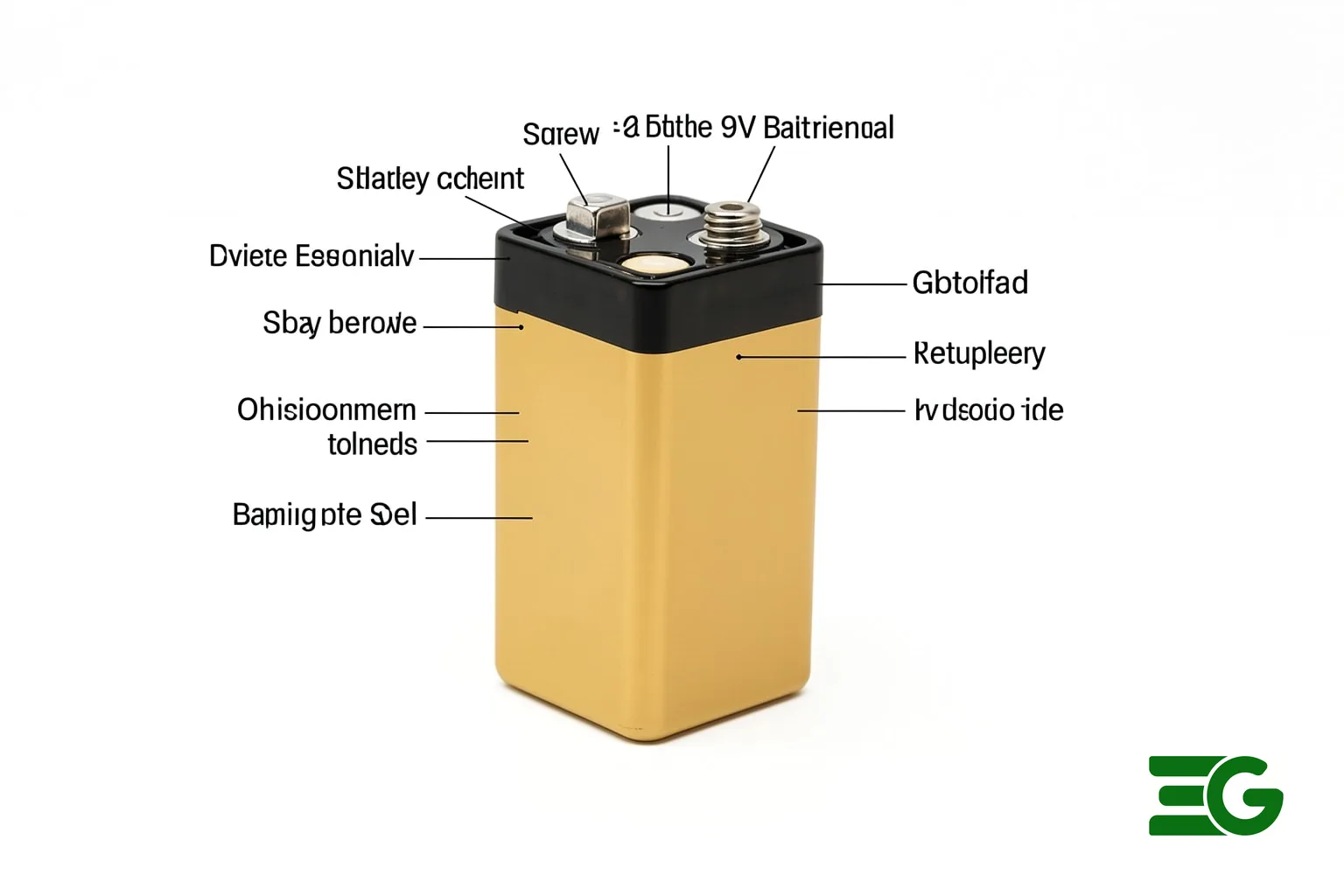
A standard 9V battery has two snap terminals on the same top face and a nominal output near nine volts when new. Inside, most alkaline versions contain several small cells connected in series. That construction gives the familiar voltage, but it also creates more internal resistance than a pack built from larger AA cells or cylindrical lithium cells. When a device asks for a sudden current burst, the terminal voltage can sag even when the battery still measures close to nine volts with no load.
The name describes nominal voltage, not a single chemistry. Alkaline is the common disposable choice. Lithium primary versions cost more but often provide better shelf life and useful performance in low drain equipment. Rechargeable nickel metal hydride versions are reusable but have a lower nominal voltage, commonly 8.4V or 9.6V depending on their cell count. Rechargeable lithium 9V products include an internal charging circuit, so their behaviour depends on the product design as well as the label.
Read the device label before buying
Look for the voltage, polarity, battery type, and any warning about rechargeable cells. A smoke alarm, wireless microphone, handheld meter, or guitar pedal may specify a particular battery class. If the manual calls for an alkaline 9V, a rechargeable version can still work, but lower voltage or a different discharge curve may reduce the warning margin or runtime. A medical, safety, or security device deserves the battery type and replacement interval recommended by its manufacturer.
| Type | Best fit | Strength | Watch for |
|---|---|---|---|
| Alkaline | Low drain devices | Easy to find | Not for heavy loads |
| Lithium primary | Long standby use | Long storage life | Higher purchase cost |
| NiMH rechargeable | Frequent light use | Reusable | Lower operating voltage |
| USB rechargeable | Convenient repeated use | Built in charging | Verify charger and output |
9V battery uses that match the battery well
9V batteries are at their best in devices that need modest current and benefit from a compact replacement. Smoke alarms, digital multimeters, some radios, small preamps, wireless microphones, test instruments, and simple sensor circuits are common examples. In these jobs, the battery is valued for clean packaging and simple replacement more than raw energy storage. A quality alkaline cell often gives a predictable service interval when the device spends most of its time in standby.
For a student project, a 9V battery can be useful for demonstrating a regulator, sensor, buzzer, logic circuit, or a low current microcontroller board. Use a switch and measure voltage at the board while the circuit is running. That single check teaches an important lesson: a reading taken with no load does not tell you whether the battery can support the actual project. A board that repeatedly resets is asking you to check current demand, wiring, and regulator heat before changing code.
Where a rectangular battery becomes the wrong tool
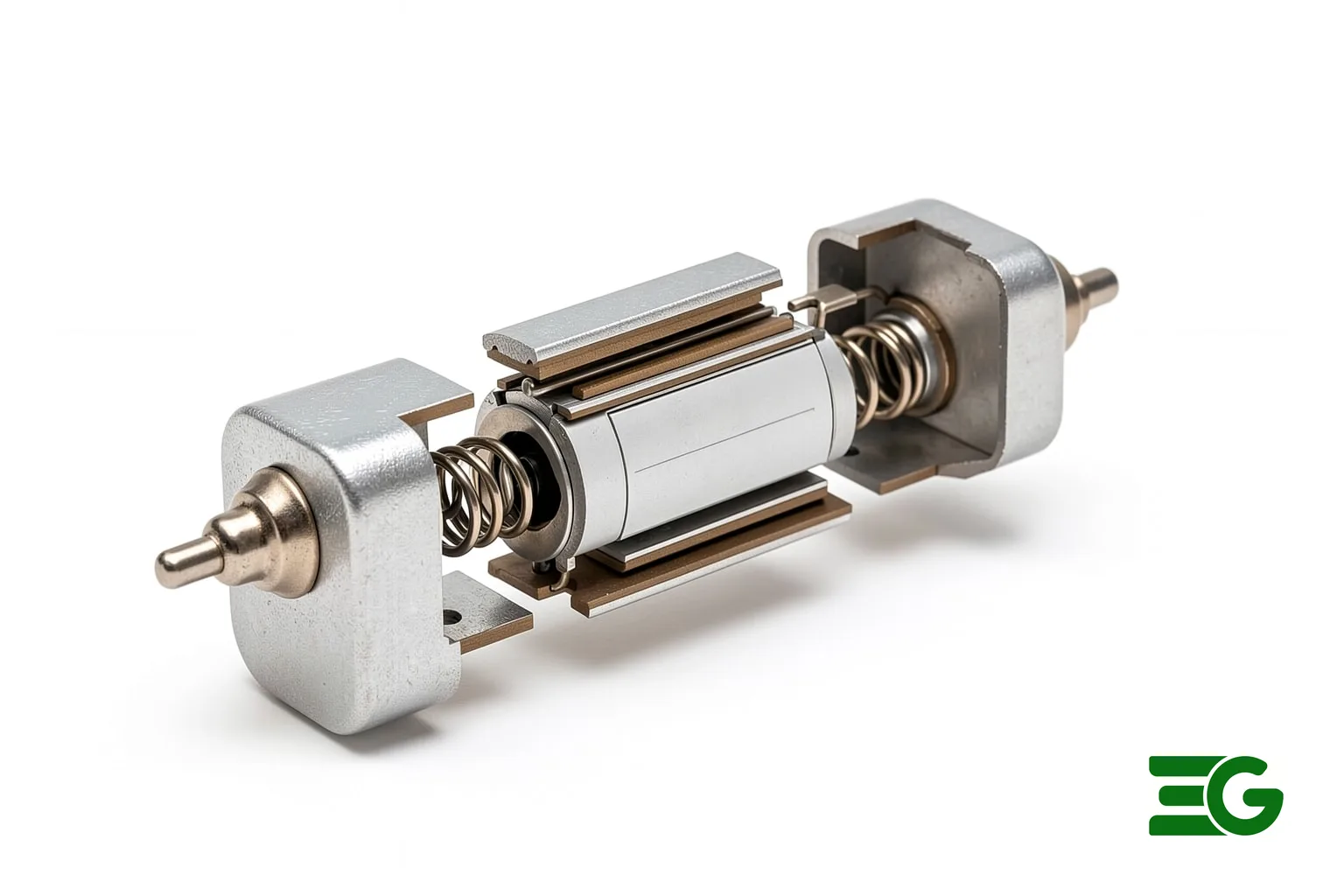
A 9V battery should not be expected to drive DC motors, servo motors, powerful LEDs, pumps, or a relay bank for long. These loads draw current spikes. The internal resistance of the small cells causes voltage drop, then the controller may brown out and the motor may stall. Replacing the battery with another 9V often repeats the same failure. A properly rated AA holder, a protected lithium pack, or a regulated mains supply is usually the practical fix.
Do not use a 9V battery as a substitute for a 12V battery in a UPS, scooter, inverter, or home backup system. A 12V sealed lead acid, lithium iron phosphate, or inverter battery is a different energy class with a charger and protection approach designed for that equipment. The voltage difference is only part of the story. Capacity, peak current, charging profile, cable size, and fuse rating matter just as much.
Choosing 9V battery chemistry
Choose an alkaline 9V when you need a readily available disposable battery for a low drain device and want a familiar replacement interval. Check the manufacture date, packaging condition, and device contacts. A battery that has sat in a hot car or humid storage area may disappoint even if the wrapper looks fine. For equipment that sits unused for months, buy from a seller with reliable stock rotation instead of choosing by price alone.
Choose a lithium primary 9V when long shelf life, lower self discharge, or dependable standby use matters more than first cost. These are particularly worth considering where replacement is inconvenient. Do not try to recharge a battery marked non rechargeable. Charging the wrong chemistry can cause leakage, heating, or failure. Keep spare cells in their original packaging and away from loose metal objects.
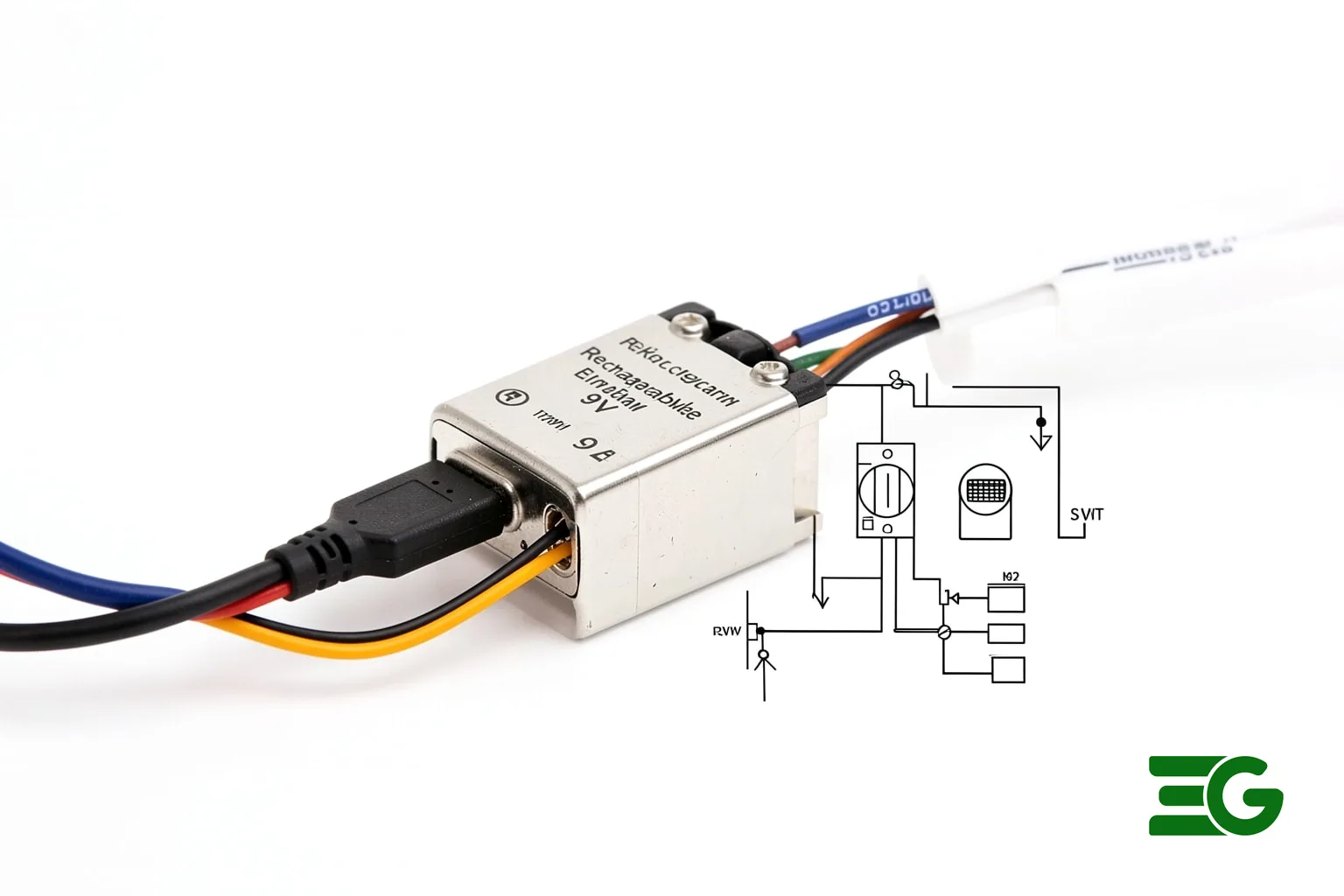
Choose rechargeable NiMH or USB rechargeable 9V only when the device is used often and the battery model is compatible with it. NiMH models need a charger designed for 9V NiMH chemistry. USB rechargeable models normally have their own internal charging electronics and should be charged through the specified port and cable. Neither type should be assumed to behave exactly like a fresh alkaline battery during its whole discharge cycle.
How to select a rechargeable battery charger safely
A rechargeable battery charger must match the chemistry and format of the battery. A charger for AA nickel metal hydride cells is not automatically suitable for a 9V rechargeable pack. Read both labels. The charger should identify the chemistry it supports, use a controlled charge method, and have contacts or a connector that fits without force. If a battery becomes unusually hot, swells, leaks, smells odd, or the charger shows an error, disconnect it and stop using that combination.
- Confirm the battery is marked rechargeable and identify its chemistry.
- Use the charger supplied or explicitly specified for that battery.
- Inspect the snap, USB port, cable, and casing before charging.
- Charge on a hard, nonflammable surface with ventilation.
- Remove the battery after the indicated charge cycle or completion signal.
- Test it in the intended low current device and monitor early performance.
Do not charge disposable alkaline or lithium primary 9V batteries. Their labels are not suggestions. Also avoid mixing a new battery with an old one, mixing chemistries, or connecting two 9V batteries in parallel just to make a project last longer. If your circuit genuinely needs more energy, select a battery pack designed for the voltage and current instead of improvising with snap connectors.
A practical bench check before installation
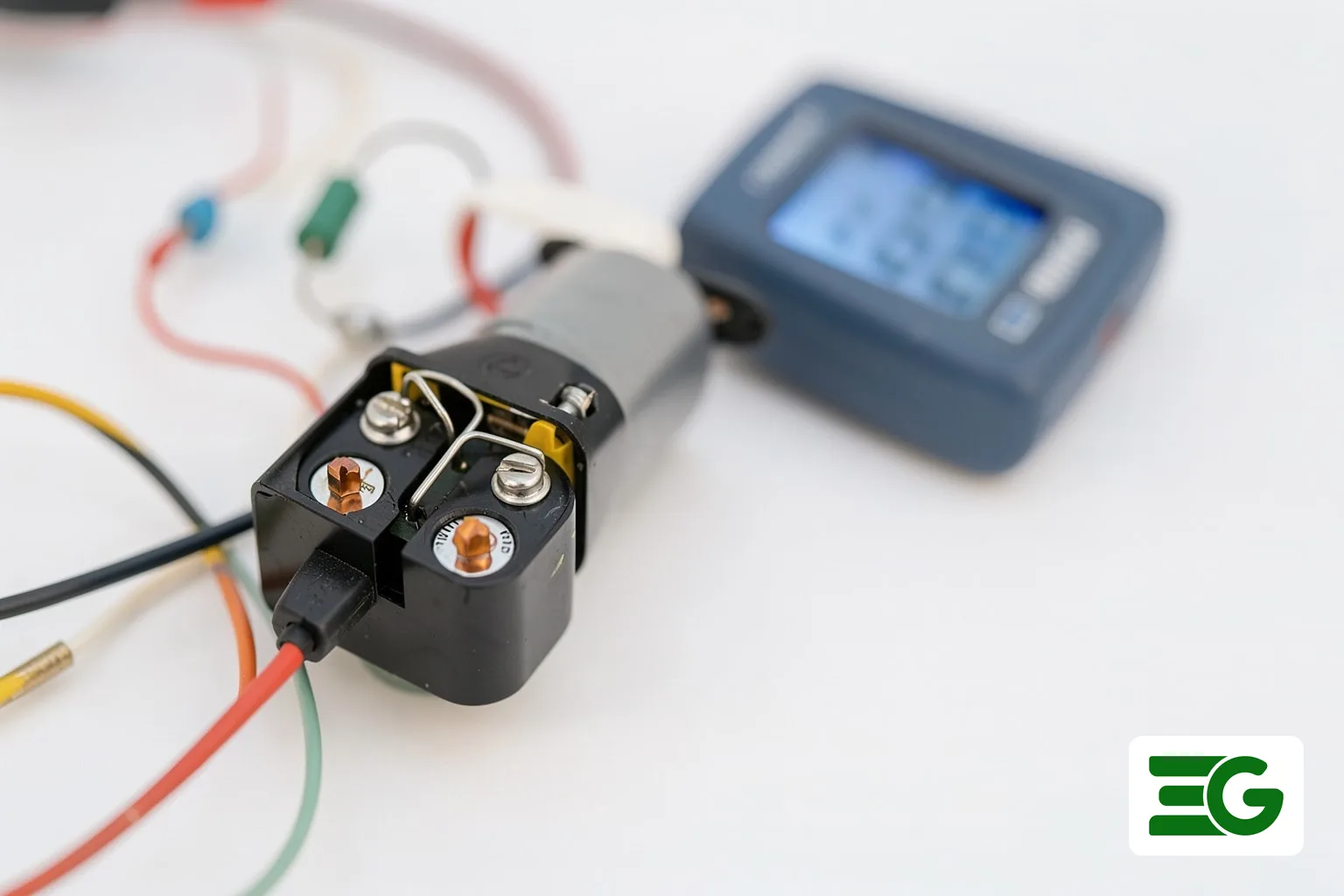
Start with a visual check. The plastic case should not be swollen, cracked, damp, or corroded around the terminals. Then measure open circuit voltage with a multimeter, while remembering that this is only a first screen. Install the battery and measure voltage at the device input while it is operating. A large drop under normal load points to a tired battery, a demanding load, a poor connection, or wiring that is too thin.
For hobby circuits, calculate the expected current before selecting power. Add the board current, sensor current, display current, and the peak current of any actuator. Regulators also need headroom and may waste energy as heat. A 9V battery feeding a linear regulator can look convenient, yet it can lose much of its stored energy as heat when supplying a lower voltage rail. A switch mode regulator and a suitable pack can be a better engineering choice.
9V battery versus 12V battery for UPS and home equipment
A 9V battery and a 12V battery serve different jobs. The small 9V format is for portable, low power electronics. A 12V battery is common in UPS units, alarm panels, emergency lights, and inverter systems because it can deliver substantially more current and energy. Replacing a UPS battery requires matching the voltage, physical size, terminal type, capacity range, and chemistry expected by the charger. Do not guess from the connector alone.
If a UPS backup time has fallen, first check the UPS manual and its battery label. Many small units use sealed lead acid batteries, while some newer systems use lithium packs. A replacement with the wrong charging profile can shorten life or create a safety risk. For an inverter and battery for home setup, choose the system as a matched set based on the actual load, desired backup duration, installation ventilation, and service support.
For projects that need 12V, use a regulated 12V adapter or a battery pack intended for 12V loads. A 9V battery cannot be made equivalent by adding a stronger connector. The circuit design, fuse, wiring, and charger must all match the chosen supply. That is the difference between a tidy prototype and a frustrating intermittent fault.
Buying and storing 9V batteries in India
Buy from a reputable electronics seller or trusted retailer and choose known chemistry rather than a vague capacity claim. Check that the product has intact packaging, a readable date code, and clear disposal instructions. For a smoke alarm or essential meter, it is sensible to keep one sealed spare. For a frequently used hobby device, compare the cost of replacements with a compatible rechargeable system, including the charger and expected cycle life.
Store 9V batteries in a cool, dry place. Keep the terminal snaps covered by the original cap or separated from metal objects because both terminals are exposed on the top. A loose 9V battery can short against keys, tools, foil, or another battery. Do not leave one in a device for years without inspection. Remove batteries from equipment that will be stored for a long period unless the manufacturer says otherwise.
When a 9V battery is depleted, use an approved battery collection or e waste route where available. Do not burn, crush, puncture, or dismantle it. Tape the terminals before putting a spent cell aside for collection, especially if it may touch other batteries. Good battery handling is mostly ordinary discipline, but it prevents the common hazards of leakage, heat, and accidental shorts.
For a suitable 9V battery option, browse battery choices, check 12V battery pack details, and review battery parts. We recommend matching voltage and current to the actual load. It saves time.
Conclusion: match the 9V battery to the actual load
A 9V battery is a practical power source for low drain electronics, alarms, meters, and small circuits, not a universal solution for every project. Choose chemistry by the device requirement, use the correct rechargeable battery charger, and measure voltage under load when troubleshooting. If a circuit drives motors or repeatedly resets, treat that as a power design problem rather than a reason to keep swapping rectangular batteries.
For batteries, connectors, holders, and project power parts, choose components with clear specifications and build the supply around the real load. A few minutes spent checking voltage, current, polarity, and charging compatibility will save far more time than replacing parts after a weak battery causes a false fault.
Tagged