
Navigating the World of Hard-to-Find Electronic Parts
Discover essential tips for navigating the world of hard-to-find electronic parts. This guide will empower you with strategies to source elusive components, ensuring your projects stay on track. Unlock the secrets to successful procurement and enhance your electronics journey today!
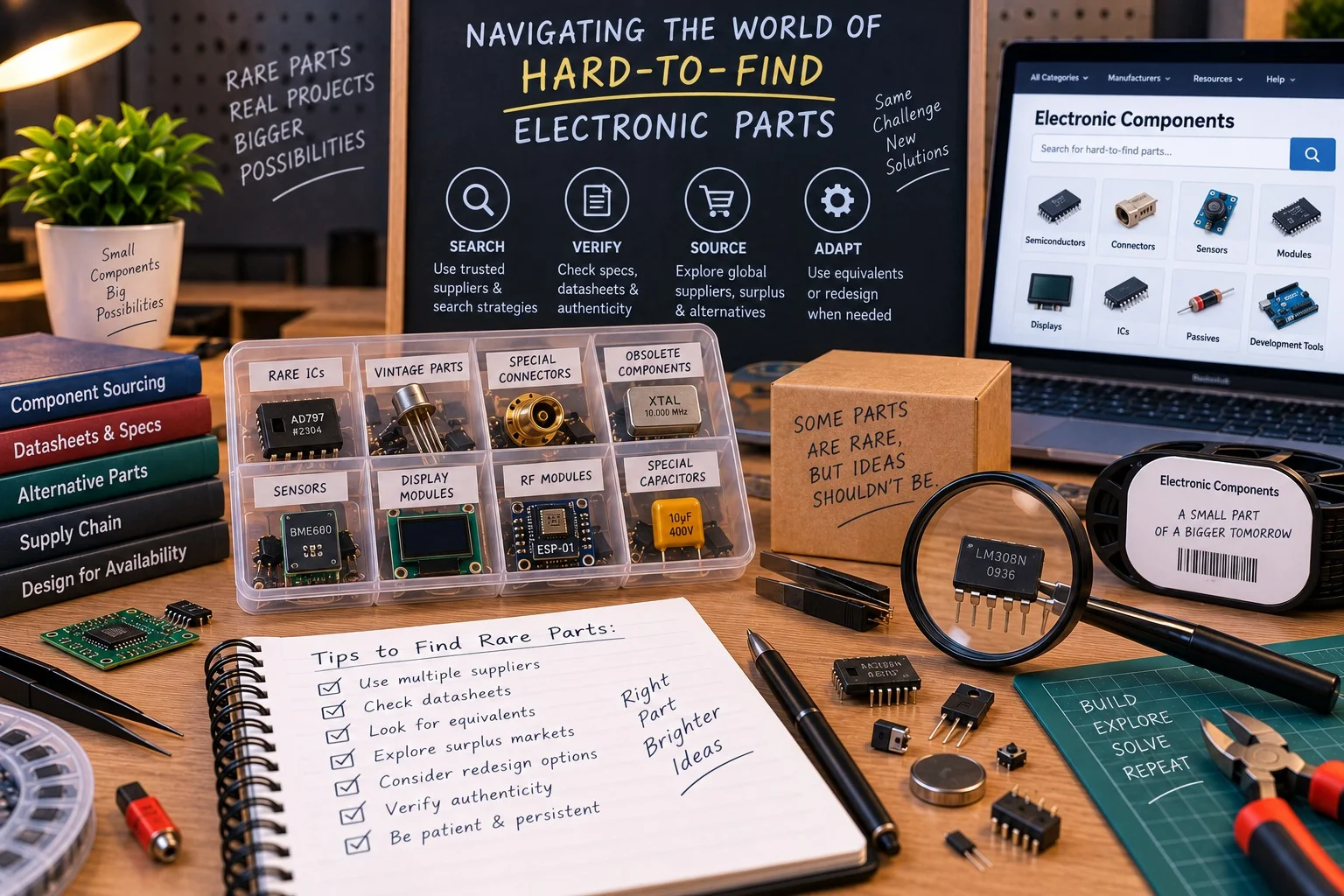
In today's rapidly evolving technological landscape, the demand for electronic components continues to surge. However, certain electronic parts fall into the category of being hard to find, posing significant challenges to manufacturers, hobbyists, and innovators alike. Understanding the dynamics of sourcing these elusive components is pivotal for navigating this intricate market.
Defining Hard-to-Find Electronic Parts
Hard-to-find electronic parts encompass a range of components that are either discontinued, limited in production, or simply rare in the market. These items often include specialized integrated circuits (ICs), obsolete components critical for legacy systems, and parts with limited production runs due to niche applications.
Challenges in Sourcing
The quest for hard-to-find electronic parts presents multifaceted challenges. The fluctuating market dynamics often create supply-demand gaps, leading to scarcity. Moreover, the prevalence of counterfeit components in the market poses substantial risks, compromising the quality and reliability of these parts.
Strategies for Navigation
To navigate this challenging landscape, leveraging specialized electronic component databases proves beneficial. These databases aggregate information from various suppliers, aiding in locating specific parts efficiently. Building robust relationships with trusted suppliers and exploring alternative sourcing avenues also mitigate sourcing challenges.
Ensuring Authenticity
Verification processes and stringent testing methods play a pivotal role in ensuring the authenticity of acquired parts. Working exclusively with certified dealers and manufacturers minimizes the risks associated with counterfeit components, ensuring the reliability of sourced parts.
Technology's Role
Advancements in technology, including AI and machine learning applications, have revolutionized the sourcing process. Online marketplaces and forums dedicated to electronics enthusiasts serve as platforms for sharing knowledge and sourcing recommendations.
Case Studies
Several success stories underline the effectiveness of innovative sourcing strategies. These cases exemplify how overcoming challenges through inventive approaches yields favorable outcomes in acquiring hard-to-find electronic parts.
Future Trends
The future of sourcing hard-to-find electronic parts aligns with technological advancements. Predictions indicate streamlined sourcing processes, but challenges like continued market volatility require adaptive strategies.
Conclusion
Effectively navigating the world of hard-to-find electronic parts demands a combination of technological integration, strategic partnerships, and innovative approaches. Embracing these methods enables individuals and industries to meet demands and foster progress.
FAQs:
Are there specific industries most affected by the scarcity of electronic parts?
Yes, industries like aerospace, automotive, and telecommunications are notably impacted due to reliance on specialized components.
How reliable are online marketplaces for sourcing rare electronic parts?
Trusted platforms vet suppliers, but caution and verification are crucial to ensure authenticity.
What role do certifications play in sourcing authentic parts?
Certifications serve as indicators of quality and authenticity, offering assurance in part reliability.
Can small-scale hobbyists effectively source hard-to-find electronic parts?
Yes, through specialized forums, partnerships, and niche market exploration, hobbyists can locate these components.
Are there risks associated with alternative sourcing methods?
While they offer options, alternative sources may pose risks; hence, due diligence is essential.
Tagged