
Comprehensive Guide to 12v Battery Types and Their Advantages
Explore 12v battery types including 12v lithium ion battery and 12v rechargeable battery. Learn pricing and charger tips to power your electronics smartly!
Think about it—your car, that solar inverter, your home’s backup light, all run on the humble 12v battery. This little workhorse powers everything from UPS systems to DIY gadgets. Picking the right one, whether it's a classic SLA, a modern LiFePO4, or a snappy 12v lithium ion battery, can make or break your project. And if you’re upgrading a solar system, swapping out a lead-acid for lithium ion can triple your battery’s lifespan—seriously, we see this every day in India.
Here at Electro Global, we see folks ask about 12v rechargeable battery picks, real-world 12v 7ah battery price, safe charging, and why chemistries matter. You'll want to know how to choose a rock-solid 12v li ion battery charger that matches your setup. Let’s break it down together—always best with chai in hand.
By the end of this guide, you'll know:
- How energy density and cycle life differ for each type
- When a lead-acid makes sense and when lithium-ion wins
- What’s trending in India for 12v 7ah specs and prices
- How to pick the right charging gear
- Ways to squeeze maximum life and efficiency from today’s batteries
Key Takeaways
- 12v lithium ion batteries give you 3-5x the energy density of old-school lead-acid.
- The right 12v rechargeable battery boosts system life and cuts stress—especially for backup and portable uses.
- Always match your 12v li ion battery charger to the battery chemistry for safety and performance.
- 12v 7ah battery price in India depends on the type and brand; lithium costs more but saves money long-term.
- Go for LiFePO4 if safety or long cycle life matters most; grab NMC for top energy density.
- Weight and battery life are big factors for engineers—don’t ignore them at the design stage!
Understanding 12v Lithium Ion Battery Types and Benefits
Key Chemistry Options in 12v Lithium Ion Batteries
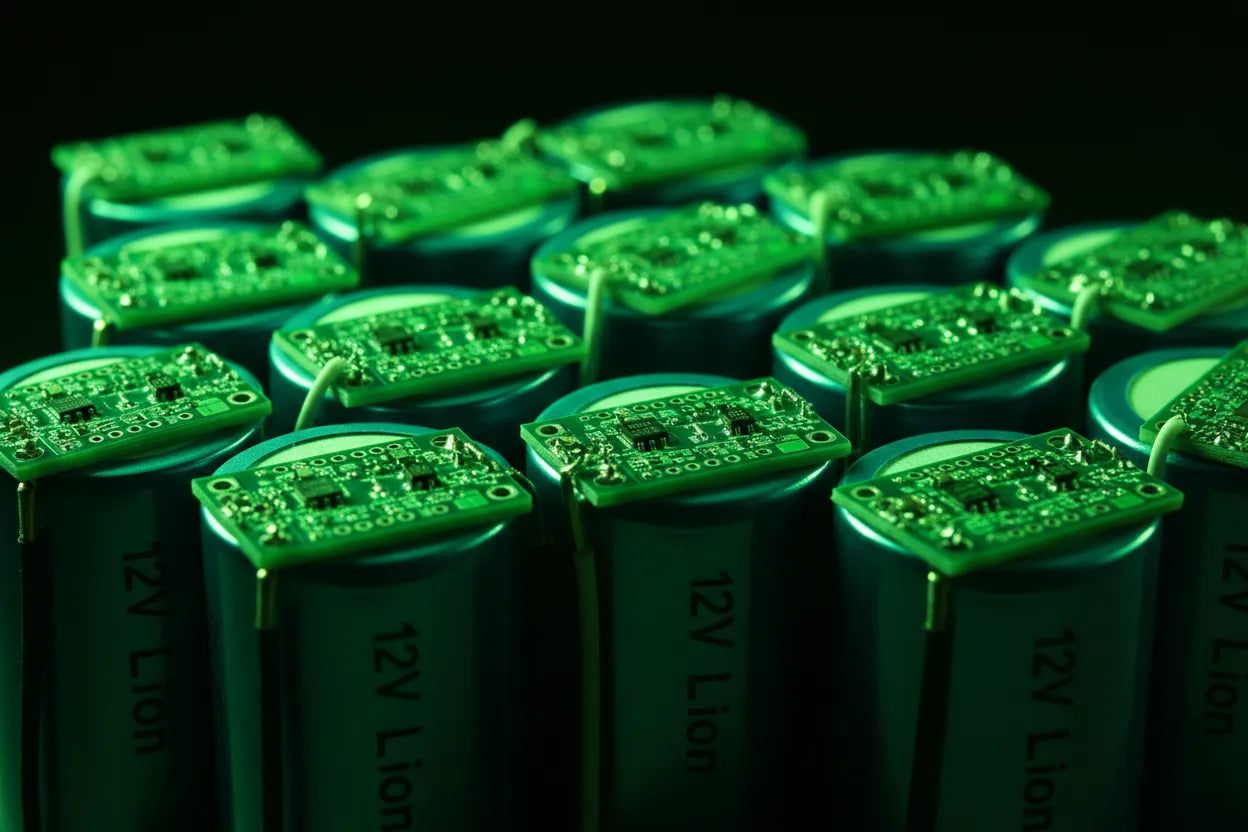
For most projects, you’ll see two main players: LiFePO4 (Lithium Iron Phosphate) and NMC (Nickel Manganese Cobalt Oxide). LiFePO4 is hard to beat for safety—doesn’t heat up much, even if you push it. NMC? That’s what you pick if you want a crazy amount of energy packed into a small, light battery. NMC usually gives 150–250 Wh/kg. Lead-acid, by comparison, limps along at 30–50 Wh/kg.
Always check which chemistry you’re buying, not just the voltage. LiFePO4 lasts for 1500+ cycles easily—NMC isn’t far behind on total energy throughput. In most 12v lithium ion battery packs, you’ll find 3 or 4 cells in series for a real-world voltage of 12.6V or 13.2V. That’s why they punch above their weight for size and runtime.
Advantages Over Traditional Lead-Acid Batteries
If you swap out a 12v 7ah lead-acid for a 12v lithium ion battery, you’ll notice the weight difference right away. The lead-acid model weighs around 2 kg, but a lithium version is less than half that—usually under 1 kg. Not just that: lithium ion types also last way longer, handling 500 to 1500 cycles, while lead-acid starts feeling tired after 200–500.
Solar installers across India have moved to LiFePO4, and not just for “new tech” bragging rights. These batteries deliver two to three times the system lifespan and much better efficiency. So, less maintenance, fewer headaches with replacements, and in the end, a lighter load on your wallet. That’s what makes lithium stick out for modern electronics builds.
How to Choose the Right 12v Li Ion Battery Charger for Your Needs
Essential Features of 12v Li Ion Battery Chargers
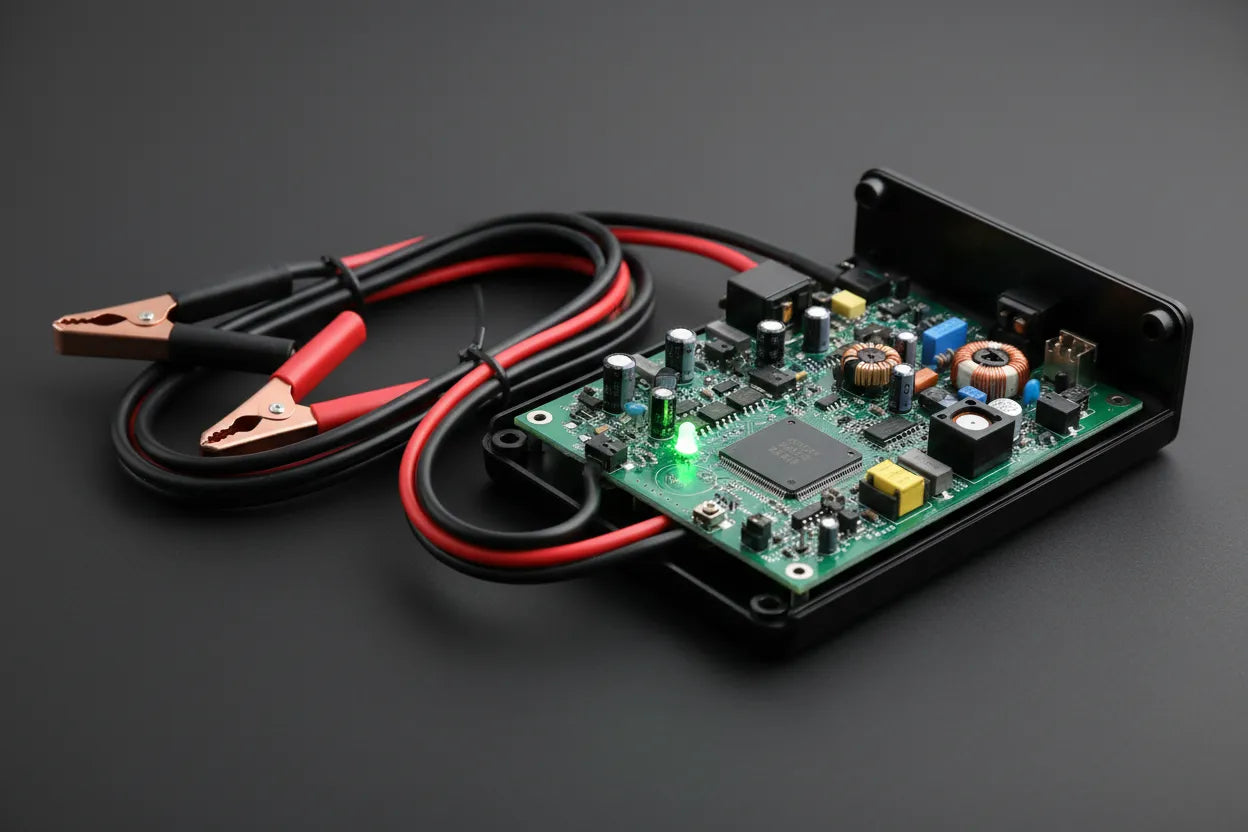
Always use a 12v li ion battery charger with current and voltage regulation—it’s not optional! For 3S lithium packs, 12.6V is your goal. For 4S LiFePO4, go for 14.4V. Never trust a “universal” or random charger, or you’ll risk toasting your battery. Look for chargers with automatic shutoff, current limiting, and cell balancing if you’re running multi-cell setups. All of these features work together to stop overcharging and extend battery life.
Most Indian charger brands give you options for fixed or adjustable current. If you’re topping up a 7ah battery, a 2A charger will do the job in 3.5 hours or so. LiFePO4-specific models give you the option for either 12.8V or 14.4V charging, which is handy if your project needs both chemistries.
Checklist: What to Look for in a 12v Li Ion Battery Charger
- Right output voltage for your battery (12.6V or 14.4V, check your pack!)
- Proper constant-current / constant-voltage charge modes
- Automatic cutoff so you don’t overcharge
- Cell balancing for packs with more than one cell
- Short-circuit and reverse polarity protection for safety
Charging Parameters and Safety Considerations
Charging a 12v lithium ion battery? Do it right, or you risk overheating—or even a fire. Never push above 12.8V for 3S lithium packs. Always follow these quick steps:
- Double check your battery chemistry—LiFePO4 or NMC?
- Read the datasheet for charging voltage and current limits.
- Only use a charger with automatic cutoff.
- Never leave the battery charging alone, especially if it’s hot in your workshop or garage.
Go for BIS-certified chargers whenever safety is a priority. Our RapidChip team designs battery management systems and industrial chargers exactly for this. It’s worth the extra care. Your batteries last longer, your board is safer, and you sleep better at night.
Applications and 12v 7ah Battery Price in India
Common Uses of 12v 7ah Batteries
If you crack open most Indian backup gadgets, you’ll spot a 12v 7ah battery sitting inside. Both lead-acid and lithium ion types are everywhere—in emergency lights, burglar alarms, door access boxes, and medical trolleys. For a basic home UPS, a 7ah battery can keep things running for 15–30 minutes, enough to save your work and shut down safely. Lithium versions are a game changer for portable tech and solar installs, where weight matters and you don’t want to swap batteries twice a year.
For quick-and-dirty home automation builds, hobbyists love sealed lead-acid 7ah batteries—they’re cheap, easy to wire, and have terminals you can connect to in five minutes. If you’re testing an idea, that’s all you need.
Current Market Price Trends and Buying Tips
In 2026, a plain lead-acid 12v 7ah battery costs around INR 900–1,100. A 7ah lithium ion model? Generally INR 1,300–1,500, depending on brand and build quality. Don’t just look at MRP—see if GST and shipping are included, and check the supplier’s warranty terms. While lithium looks pricey, remember you’ll replace lead-acid batteries 2–3 times as often. For solar and telecom UPS, lithium is almost always worth the extra up front.
Summary? If your budget is tight and the device won’t be cycled daily, basic lead-acid is fine. But if you hate downtime or want lightweight, long-life performance, go lithium from the start.
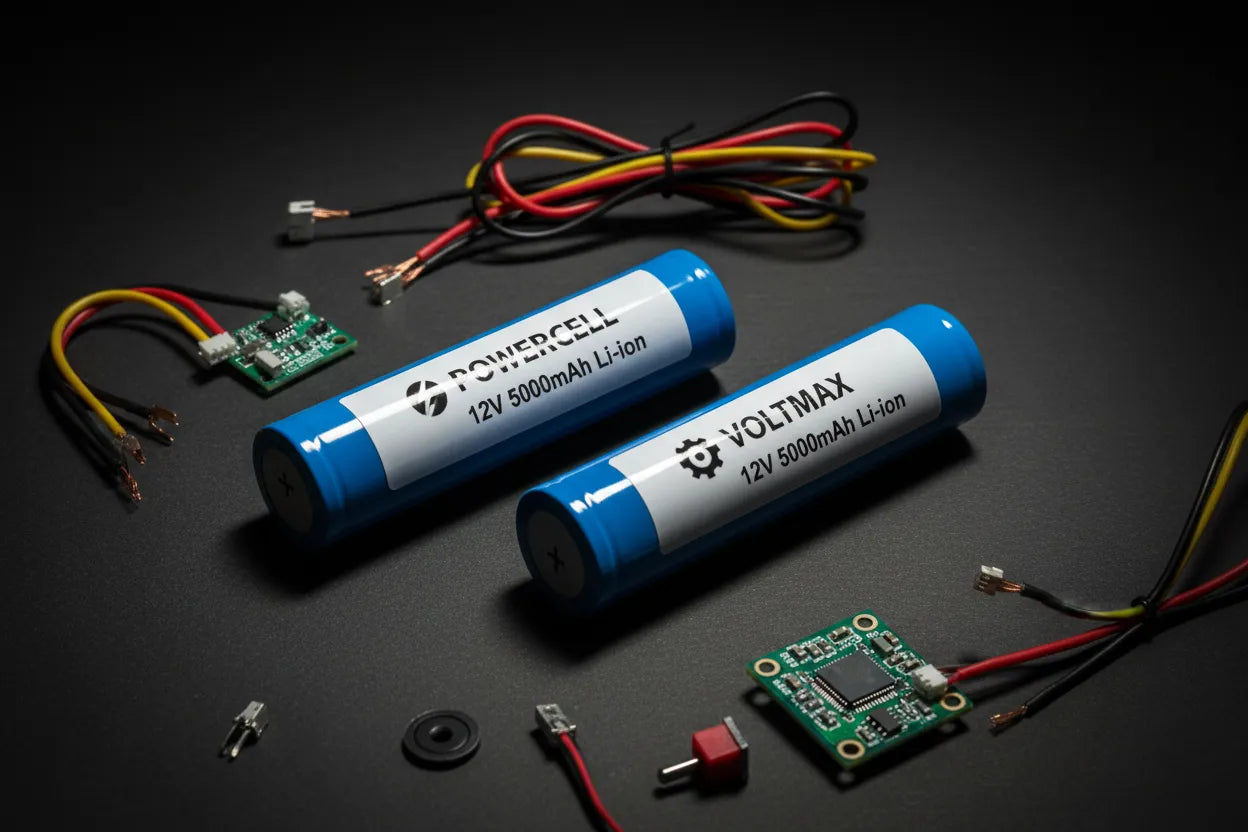
Comparing 12v Rechargeable Battery Technologies for Various Electronics
Performance and Efficiency in Solar and UPS Systems
Swap out an old lead-acid for a 12v lithium ion battery in your solar kit and watch efficiency jump by 30% or more. Your load won’t drop voltage as quickly, so brownouts and annoying resets happen less. Charging’s faster, too, and your system handles more cycles before needing a replacement. In a good UPS, a quality 12v rechargeable battery will safeguard sensitive electronics through every blackout without missing a beat.
Our installs across Jaipur show lithium solar kits lasting three times longer than lead-acid ones. That’s a huge win in India’s hot, dusty climate, where nobody wants to replace batteries every year or haul heavy units into remote locations.
Weight and Portability Considerations
Weight matters—a lot. A 12v 7ah lead-acid battery is nearly 2 kg. With lithium ion, you get the same capacity under 1 kg. When you’re building portable gear—medtech, field robotics, or IoT nodes—saving that kilo makes design and logistics much smoother. Your customers will notice the difference, too.
If you want lightweight designs or plan to move the device around, lithium ion is the easy choice. You’ll get more flexibility in size, and the gear is less tiring to carry or install—even in rural or rooftop setups.
Bottom line: 12v lithium ion batteries give you better performance, longer life, and lighter designs compared to old-school lead-acid. They’re the practical way forward for engineers and tinkerers who want to build smarter, not harder. Electro Global’s lineup covers every need, from testing prototypes to rolling out reliable backup systems. Need help or a quick quote? Pop over to Electro Global—we’ll get you sorted.
Worth remembering: with the right battery and charger setup, your electronics projects will be safer, more efficient, and ready for India's tough environments. We’re here if you need advice or a custom battery—just reach out!
Frequently Asked Questions
What is a 12v battery and where is it most commonly used?
Put simply, a 12v battery is any battery that gives you a steady 12 volts. You’ll find them everywhere—cars, solar backup, alarm systems, even portable gadgets. In India, the two most common versions are lead-acid (old but reliable) and lithium ion (lighter, longer life). If you’re building anything that needs backup power or portable juice, you’ll likely use a 12v battery.
Which is better: 12v lithium ion battery or lead-acid for solar applications?
Go with a 12v lithium ion battery—no question for most solar projects. It’s lighter, runs cooler, and lasts way longer (think 500–1500 cycles vs 200–500 for lead-acid). You’ll also get better performance when the sun isn’t at its peak. Less maintenance, less hassle. Lead-acid is only worth it if you’re on a very tight budget and need something basic.
How do I select the right 12v rechargeable battery for my electronics project?
Start by checking how much current your device will pull and for how long (calculate Ah). Need something portable and long-lasting? Go lithium ion. On a tight budget and don’t mind heavier batteries? Lead-acid works for basic needs. If you’re unsure, drop us a note with your device specs and we’ll help you pick the best option.
What is the typical cost or 12v 7ah battery price in India for lead-acid vs lithium ion?
Right now, lead-acid 12v 7ah batteries go for INR 900–1,100. Lithium ion 7ah types usually cost INR 1,300–1,500. Lithium seems pricey, but over 2–3 years, it actually saves you money because you replace it way less often. Always check what’s included—GST, shipping, and warranty can affect final cost.
How does a 12v li ion battery charger differ from a regular charger?
With a proper 12v li ion battery charger, you get current and voltage regulation—so you won’t overcharge or damage your battery. Regular SLA or universal chargers can’t do that, and you risk puffing up or destroying your lithium battery. Always use a charger made for your battery’s chemistry and voltage. Safety first!
Can I use a 12v lithium ion battery in place of a lead-acid battery directly?
Most times, yes! But check that the terminals and size match, and make sure the output voltage is in the same ballpark. Lithium ion “12v” can be 12.6V or even 13.2V. Most electronics are fine with this, but always double-check. And remember: only charge lithium with a charger built for it.
Why are lithium ion 12v batteries lighter than lead-acid alternatives?
It’s the energy density. Lithium ion packs way more energy into less weight—150–250 Wh/kg vs lead-acid’s 30–50 Wh/kg. That’s why a 7ah lithium battery is less than 1 kg, while a lead-acid of the same capacity is close to 2 kg. This makes lithium the go-to for anything portable or mobile.
What are LiFePO4 and NMC, and how do they affect my battery choice?
LiFePO4 is super safe and lasts a long time (1000–2000 cycles)—good for backup and solar. NMC is lighter and packs in more energy—perfect for portable gear. Think LiFePO4 for reliability, NMC when space and weight are tight. Both are solid choices; just match to your use case.
How long does it take to fully charge a 12v lithium ion battery?
Usually, it’s 2–4 hours to charge a 7ah lithium ion battery with a standard 2–3A charger set to the right voltage (12.6V or 12.8V). Bigger batteries take longer. Always check your charger’s rating and your battery’s datasheet. Never rush charging by cranking up the current—play it safe for a longer battery life.
Are 12v lithium ion batteries safe for beginners to use?
Absolutely—just stick to the right charger and don’t short the terminals. LiFePO4 types are extra safe. Don’t open up the battery or modify the pack unless you know what you’re doing. Always buy from a reputable shop, and follow the basic safety tips. If in doubt, ask a friend or message us before powering up.
Can I use my old SLA battery charger for a new 12v lithium ion battery?
Don’t do it. SLA chargers aren’t tuned for lithium ion’s voltage or charging cut-off points. Using the wrong charger risks swelling, overheating, or even fire. Always use a 12v li ion battery charger matched to your lithium pack’s chemistry and voltage for best results and safety.
What’s the best use case for a 12v 7ah lead-acid battery in 2026?
Best fit? Budget backup for alarms, small home UPS, or learning projects where weight isn’t a big deal and cost is key. For heavy cycling (solar, e-bikes, robotics), lithium is worth the upgrade. But lead-acid still makes sense for static installs on a budget or as a first prototype battery.
Tagged
Related Content
From the Blog
- Where to Use 7Ah Battery with 12v 7ah Battery Price Insights
- Complete Guide to 12v Li Ion Battery Charger Requirements
- Comprehensive Guide to Choosing and Using 12v Lithium Ion Batteries
- Choosing the Right 6000 mAh Lithium Ion Battery for Your Device
- Optimizing 12v Rechargeable Battery Runtime in Electronics Projects