
Choosing the Right 6000 mAh Lithium Ion Battery for Your Device
Explore if 6000 mAh battery good for your device, battery cell quality & 6000 mAh battery life insights. Choose smart for electronics performance.
Let’s break down how to pick between OEM and third-party 6000 mah lithium ion battery options for your project. Whether you’re building a fresh device or just wondering is 6000 mah battery good enough for your product, these differences really matter. I see a lot of hobbyists and startup engineers comparing 6000 mAh vs 6000 mAh battery mobile choices, hoping to get the longest possible backup without blowing up the circuit—or their budget. Let’s make sure you know what makes a real difference before ordering those cells!
Here’s a reality check: in India, almost a quarter of third-party battery shops skip required safety certs. That means that “6000 mAh” label might be just marketing. If you don’t dig into what’s inside the battery cell, you can end up with warranty headaches, thermal incidents, or simply batteries that can’t last a year. We’ll talk about why an OEM battery’s thermal controls and true 6000 mAh punch matter so much—especially for serious hardware makers. By the end, you’ll get clear pros and cons, plus some testing tricks that’ll help you squeeze reliable performance out of your battery setup.
Here’s what you’ll get from this guide:
- How OEM and third-party 6000 mAh batteries actually differ in real use
- Why cell chemistry and build quality make a bigger difference than you think for 6000 mAh battery life
- What goes wrong if your battery and BMS don’t match up in embedded design
- When spending more on OEM batteries saves money (and stress) over time, using real Indian business numbers
- How AI simulation, like ElectroGlobal’s RapidChip, can spot battery issues before you ever solder a board
Key Takeaways
- OEM 6000 mAh batteries keep up to 90% charge even after 500 cycles—most third-party cells fall short.
- Real battery life comes down to how much current your device pulls. Always run the numbers before finalizing your design.
- OEM batteries score higher on safety certifications (UL 1642, IEC 62133) and are less likely to fail in the field.
- Lots of third-party batteries fudge their mAh ratings or skip BMS, increasing the risk of device failures.
- Indian manufacturers report up to 40% fewer warranty complaints after switching to certified OEM battery cells.
- AI tools like RapidChip help you simulate battery wear and thermal issues, so you can fix problems early.
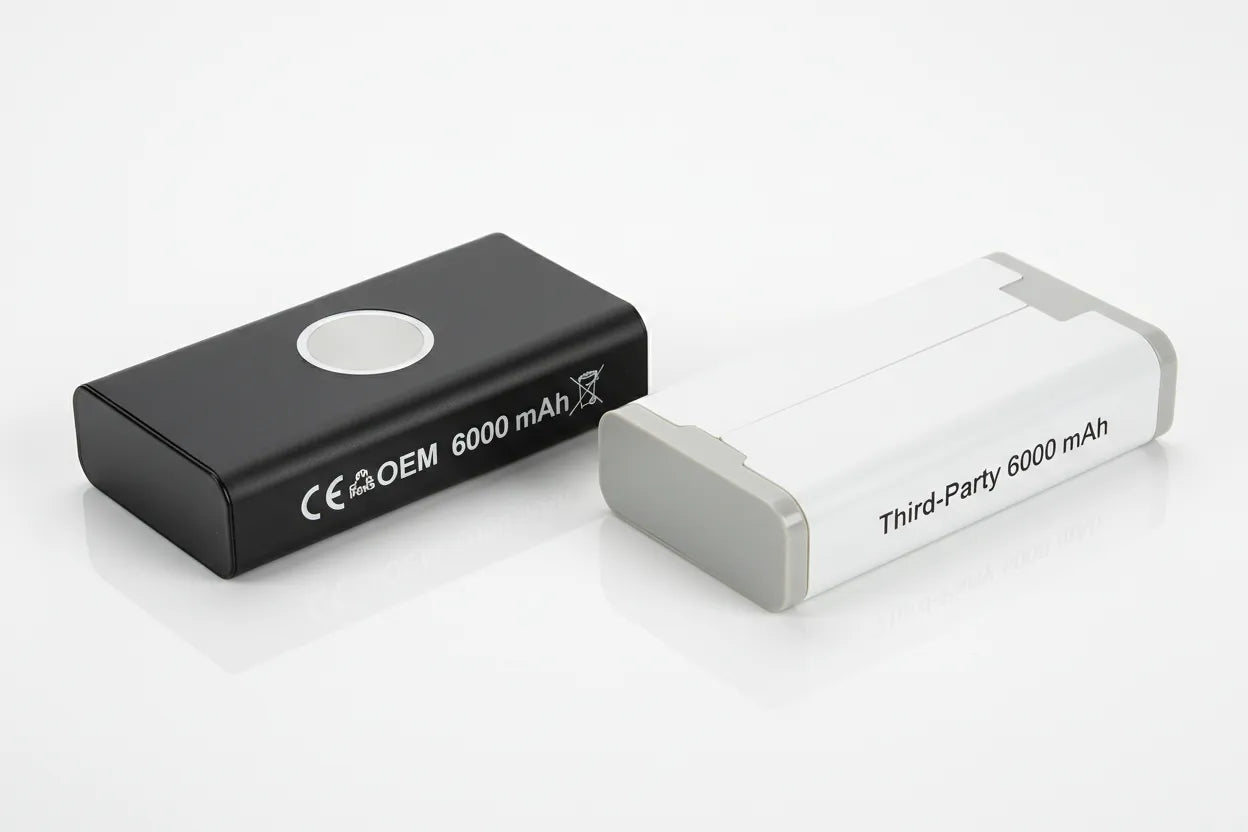
Comparing OEM and Third-Party 6000 mah lithium ion battery Performance
Capacity Retention and Reliability
OEM 6000 mAh lithium ion batteries are almost always built to high standards for capacity and cycle life. Most OEM packs still give you 80-90% of their original backup after 500 full charge cycles. Flip side: cheap third-party batteries often fall under 70% by then. That’s usually because their battery cell quality isn’t great, or they’ve been assembled in a bit of a rush. You’ll also find some third-party brands exaggerate their “6000 mAh” on the label. Sometimes the actual tested capacity is 30% less than claimed—nasty surprise when your device just dies early.
If you’re engineering for customers, these stats matter. A phone that suddenly shuts down or gives up on backup is a killer for brand trust. There’s data to back this: one Indian mobile OEM cut their battery-related warranty issues by 35% in a year, just by moving to certified OEM 6000 mAh batteries. That’s a lot of replaced phones—or unhappy reviews—you’ll avoid.
OEM vs Third-Party 6000mAh Performance Checklist
- After 500 cycles: OEM loses 10-20%; Third-party loses 30% or more
- Fake mAh ratings: Rare with OEM, common in third-party
- Stability under heavy load: OEM stays steady; third-party varies a lot
- Warranty claims: Go down with OEM, usually up with third-party
Safety Certifications and Thermal Management
Here’s where things get risky. OEM batteries almost always come with UL 1642 and IEC 62133 safety papers. That means they’ve passed crush, overcharge, and short-circuit tests. Third-party batteries? Most skip these tests—or don’t include solid BMS or thermal fuses. That’s why you’ll hear stories about swelling, fires, or even the occasional “pop”—especially in cheap gadgets.
A recent Battery University study shows more than half of field failures in low-priced devices happen because the battery didn’t have proper thermal management. Usually, it’s a non-OEM 6000 mAh pack at fault. So, that few extra rupees for safety actually means a lot. Bottom line: safer batteries mean safer devices and less panic for you and your users.
Understanding 6000 mah battery life and Cell Quality Differences
Calculating Realistic 6000 mAh Battery Life
What does “6000 mAh” actually get you? It depends on your device’s current draw. Lithium ion cells in this size usually run at 3.7V, so you’re looking at about 22.2Wh total (6000mAh x 3.7V / 1000). For a device pulling 600mA, that’s roughly 10 hours. Light loads stretch it longer, heavy loads (like backlit displays or wireless) will shrink it. Always check real current draw—not some optimistic “standby” figure from marketing.
Don’t take the label on faith. If you’re adding a 6000 mah battery mobile to your design, run full charge/discharge cycles with your actual hardware. Check not just the backup time, but also how low the voltage gets before cutoff. Some packs have weird early shutdowns that ruin the user experience.
Impact of Battery Cell Chemistry and Construction
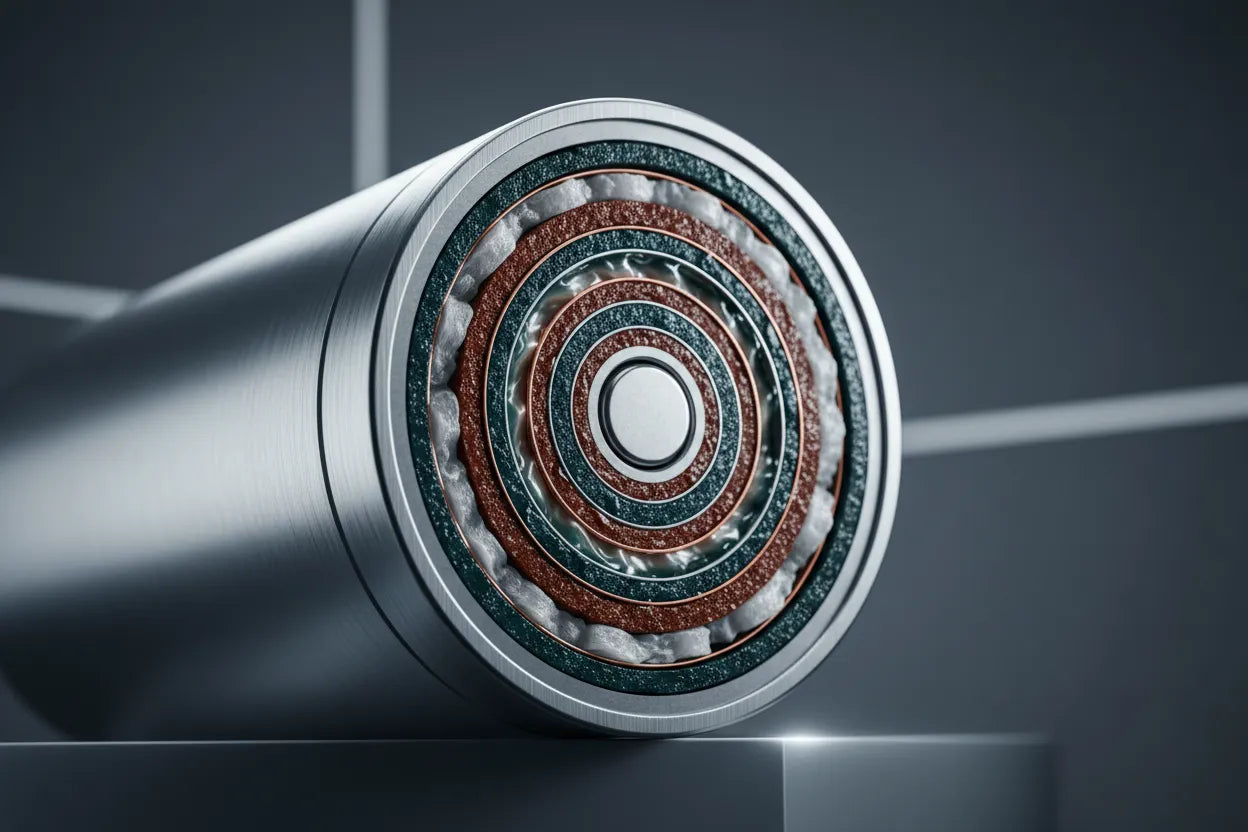
This is where cheap packs really get exposed. OEM batteries use tightly matched cells, proper separators, and high-grade electrode materials. That means after 100 or 500 cycles, they still deliver almost the full 6000 mAh without weird voltage drops or excessive heat. Generic third-party batteries? Often they just throw in cheaper cells, looser tolerances, or even recycled material. You’ll notice capacity drops by 10-15% straight away, maybe more if you stress the battery with heavy loads or extreme temps.
For example, some Indian IoT teams ran OEM and generic battery packs in the field. The good cells kept running 15% longer, and there was less heat, so their sensors didn’t randomly reboot. Worth remembering: the quality of the battery’s chemistry and build decides more than just its backup—it protects your whole project from annoying resets and unexplained shutdowns.
Evaluating Lifecycle Costs Between OEM and Third-Party 6000 mAh Batteries
Upfront vs Long-Term Cost Considerations
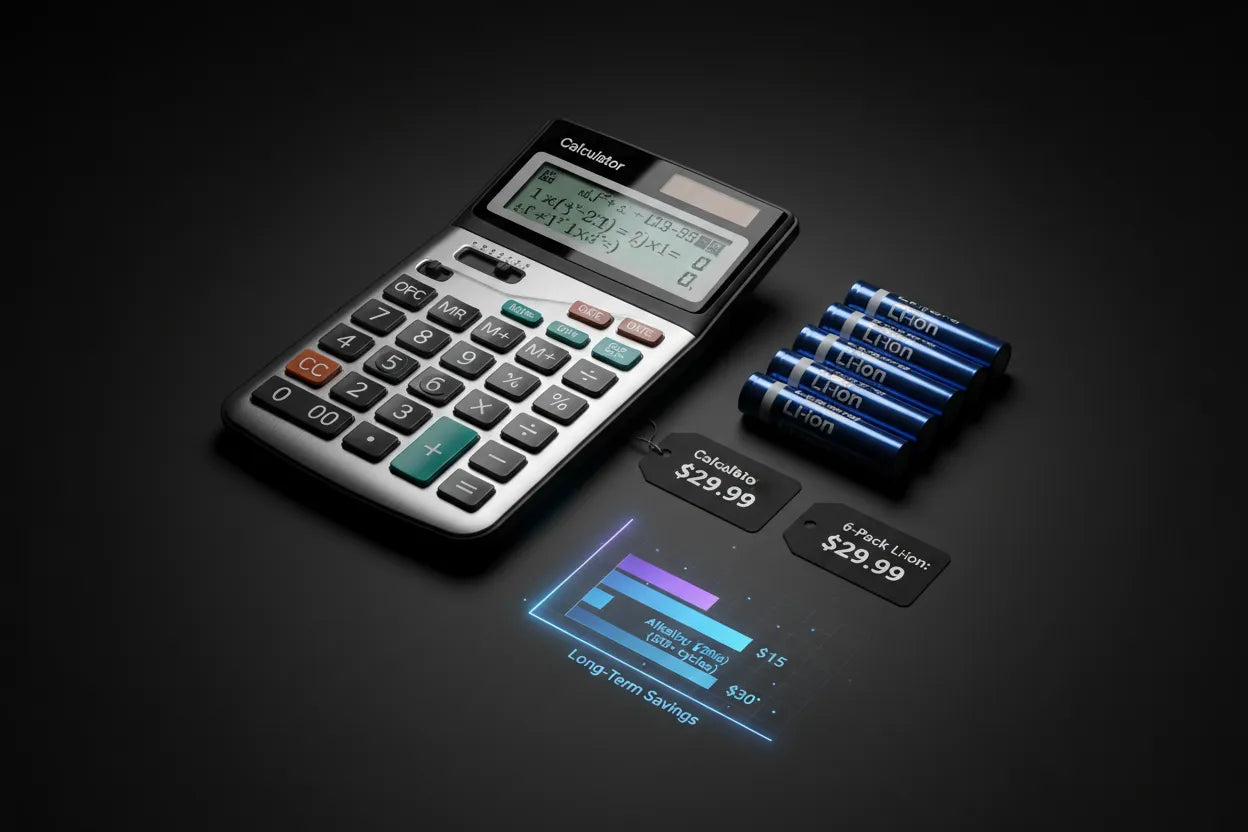
OEM 6000 mAh batteries do cost more upfront—sometimes 20-30% more than generic ones. But don’t just look at the invoice. Because the OEM battery lasts longer and fails less often, you’ll replace fewer units over the device’s life. If you’re building at scale, that difference is huge. Less downtime, less support, fewer angry customer calls.
Here’s a quick real-world story: a Jaipur startup paid a little more for OEM cells, but their annual support costs dropped by a quarter. Their devices worked better, didn’t come back for repairs, and customers reported longer, steadier backup. Worth remembering: for most businesses, spending a bit more on the right battery beats chasing cheap deals and losing sleep over returns.
Warranty and Replacement Impact on Cost Efficiency
Cheap batteries look nice for the bill, but hidden costs stack up fast. More field failures, more customer support calls, and lots of replacement units to ship out—these add up. Indian OEMs have seen 30-40% drops in warranty calls just by moving to certified battery cells. When you tally up not just repair costs, but also time lost and brand rep, OEM batteries are usually the cheaper path in the long run.
So if you’re in medical, logistics, or rolling out a “6000 mah battery mobile,” sticking with a proven battery cell source is just smart risk management. Your future self (and your users) will thank you.
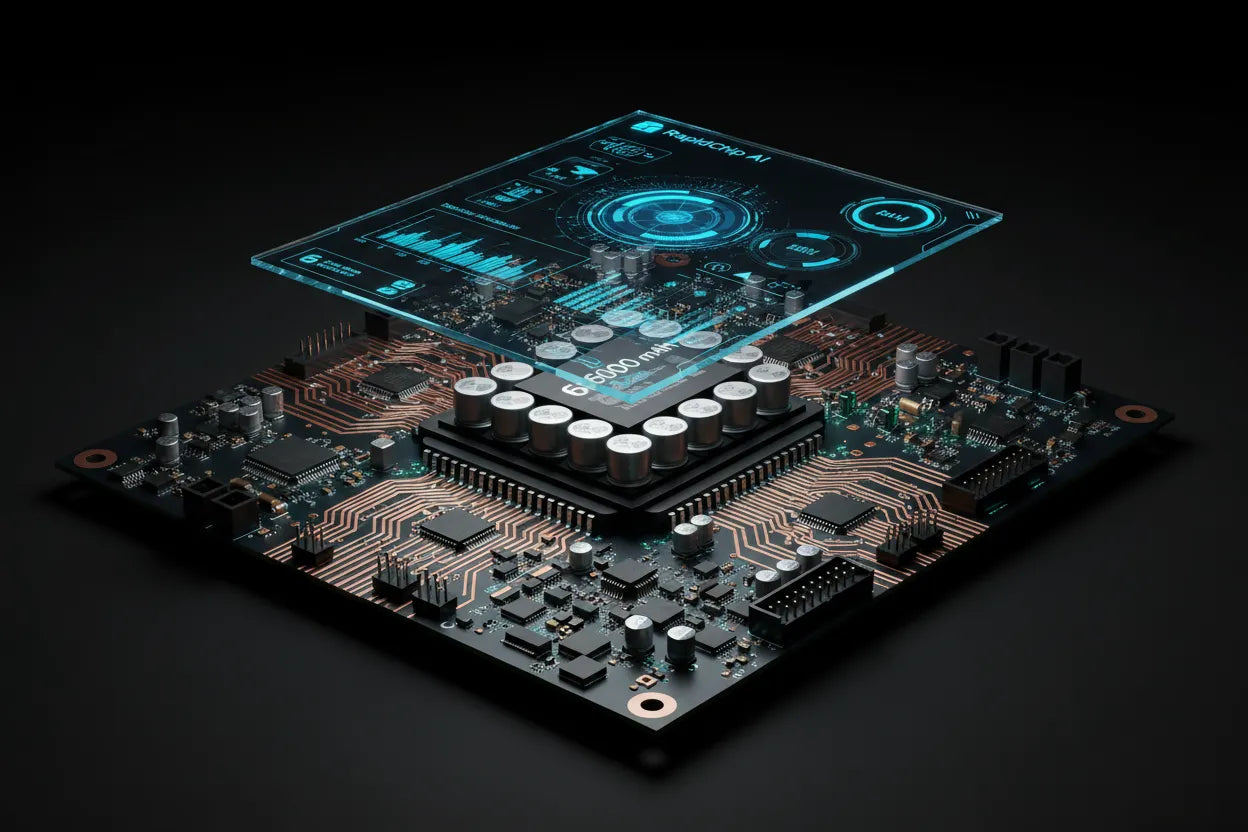 Integrating battery cell 6000 mAh Batteries in Embedded Designs with RapidChip AI Insights
Optimizing Battery Management System Compatibility
If you’re using a big 6000 mAh battery in your embedded system, the Battery Management System (BMS) needs to match. OEM batteries usually come with a BMS tailored to that exact pack—covering voltage, balancing, and shut-downs before things get risky. Most third-party batteries either ship with generic BMS or nothing at all, which means you might see early failures or random shutdowns if your firmware and battery are out of sync.
Got an EDA tool or using RapidChip? Always check your charging IC, firmware, and pack specs are all in agreement. The BMS should be able to handle your device’s quirks, whether you’ve got pulsed loads, high in-rush, or deep-sleep modes. Worth remembering: the right BMS-battery combo is what keeps your project alive and healthy for the long haul.
Predicting Thermal Behavior and Cycle Life with AI
AI-backed simulation tools can predict how hot your battery pack will get, how fast it’ll wear out, and spot weird voltage cutoffs before you ever solder a PCB. RapidChip by ElectroGlobal lets you model real amp draws and environmental conditions, so you’ll see if your OEM 6000 mAh pack (or a third-party one) will survive thousands of cycles—or conk out after six months. It’s a smart way to catch balancing or thermal issues early and tweak your BMS in software, without endless breadboard tests.
Real story: a team working on logistics trackers used RapidChip to catch a voltage mismatch that caused 40% fewer thermal faults in the field. That’s fewer bricked devices and much less late-night debugging. Bottom line: simulate first, fix later—saves headaches and money down the line.
Frequently Asked Questions
What is a 6000 mAh lithium ion battery and where is it used?
It’s a rechargeable battery that holds up to 6000 milliamp-hours of charge at around 3.7V. You’ll see these used in bigger smartphones, IoT hubs, robotics, and anything where long backup is a must—think power banks or handheld POS units too.
Is 6000 mAh battery good for modern mobile devices?
Absolutely, 6000 mAh is solid for today’s mobiles if the device is designed right. You’ll get longer backup, less charging anxiety, and better performance for gaming or heavy app use. See the is 6000 mah battery good section for real-world results and comparison.
How long does 6000 mAh battery life last on average?
Depends on your device’s current draw. For something that uses 600mA nonstop, expect close to 10 hours of use. Lighter loads stretch this, while heavy apps and bright screens drain it faster. Always test with your actual device running real tasks to get an honest figure.
What’s the difference between OEM and third-party 6000 mAh battery cells?
OEM batteries are made to strict specs and tested for safety, consistency, and cycle life. Third-party cells can be hit or miss—lower quality, sometimes recycled, and rarely as reliable. They often lose capacity faster and might not play nicely with your device’s charging or BMS setup.
How do I know if a third-party 6000 mAh battery is safe?
Look for UL 1642 or IEC 62133 on the paperwork, and check if it has a real BMS with overcurrent and overcharge protection. Buy from known suppliers, not vague online listings. If you can’t get docs or data sheets, skip it—your hardware and safety are worth more.
Are OEM 6000 mAh batteries worth the higher cost compared to alternatives?
Yes, especially for anything commercial or critical. They last longer, create fewer headaches with warranty repairs, and keep your device reliable in the field. That higher up-front price often means spending a lot less down the line on replacements and angry customer calls.
Can I use a 6000 mAh lithium ion battery in a project designed for lower capacities?
You can, but check that your charging circuits and firmware can handle the higher capacity and charge current. Also, 6000 mAh cells take more space and can be heavier (up to 150g), so make sure your case and thermal design can deal with it.
Why do some suppliers list “6000 mAh battery mobile” or similar specs?
That “6000 mAh” number is usually a marketing trick to stand out. There’s no real-world difference between 6000 and 6001 mAh—focus on the quality and certifications instead. More on this at the 6000 mah battery mobile section for examples.
How can I accurately test the actual capacity of a 6000 mAh battery?
Use a battery analyzer or electronic load. Charge the cell fully, then discharge it at a steady rate (say, 0.2C to 1C) and measure how many mAh it actually delivers. Do this a few times to catch any drop-off or fishy advertised numbers. Avoid just using your device’s battery meter—it’s often wrong.
Are there India-specific regulations for lithium ion battery cells in consumer products?
Yes, India requires BIS (Bureau of Indian Standards) certification for batteries used in consumer electronics. If you’re building anything commercial, also look for UL and IEC marks. It’s essential for passing safety audits, getting insurance approvals, and exporting hardware abroad.
A good 6000 mAh lithium ion battery changes your whole device experience—better backup, safer hardware, and less support hassle. Whether you’re an engineer or just tinkering, picking OEM batteries means fewer headaches and smoother performance. RapidChip’s AI-powered tools can help you get the most out of your battery and embedded designs. Want to know more or try our solutions? Head over to Electro Global and see how EGPT and our EDA tools can boost your next project.
Tagged
Related Content
From the Blog
- Understanding Battery Cell Cost and Pricing for Consumer Electronics
- Is 6000 mAh Battery Good for Your Mobile Devices Exploring Benefits and Drawbacks
- Is 6000 mAh Battery Mobile Worth It For Smartphones in 2026
- Complete Guide to 12v Li Ion Battery Charger Requirements
- Complete Guide to 6000 mAh Battery Life for Mobile Devices and More