
Is 6000 mAh Battery Good for Your Mobile Devices Exploring Benefits and Drawbacks
Explore if a 6000 mAh battery is good for your mobile devices, its battery life, and battery cell advantages. Learn why 6000 mAh lithium ion battery matters. Read more!
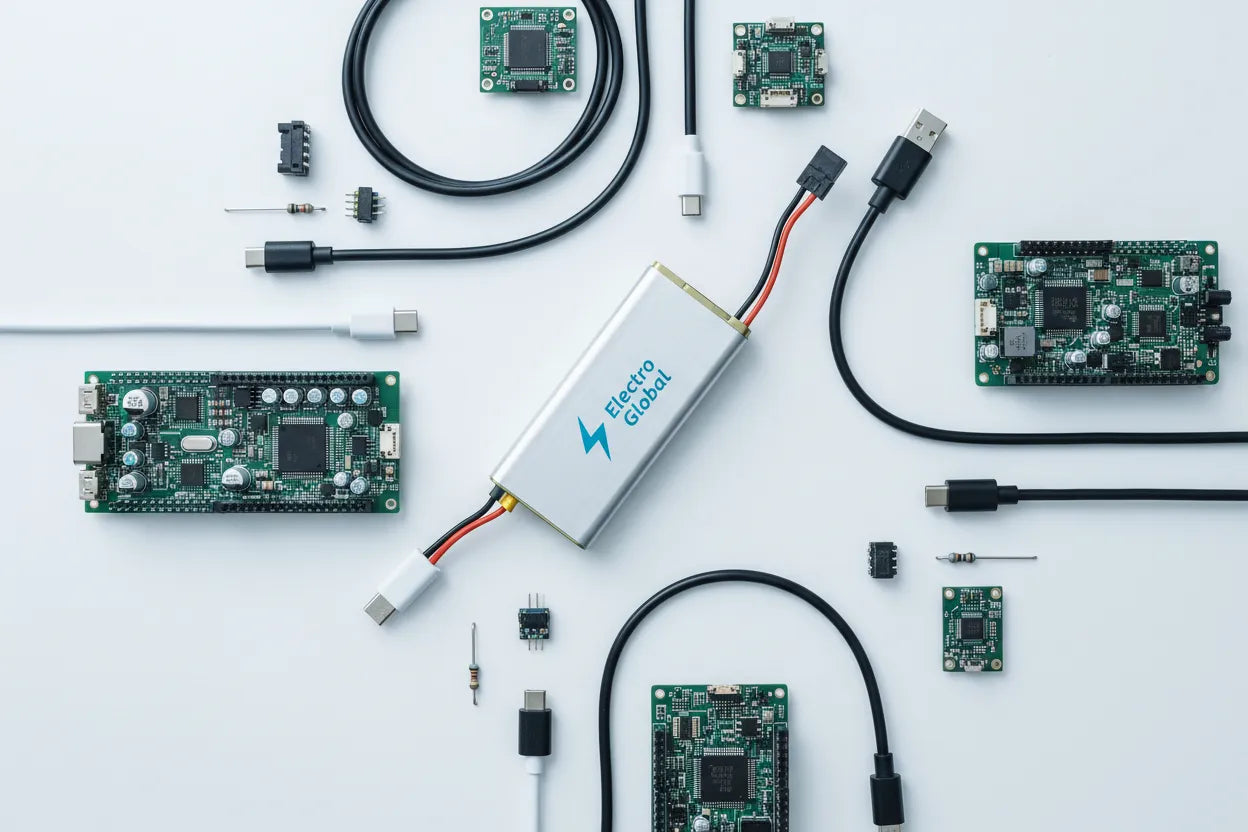
If you’re asking yourself, is 6000 mAh battery good, the answer really hinges on what you need from your device. For power users, engineers tinkering with portable projects, or anyone tired of midday “low battery” warnings, a 6000 mAh battery is a game-changer. These batteries now pop up everywhere—from mobiles and tablets to custom IoT builds and power banks. As demands from gaming, 5G, or always-on sensors keep rising, high capacity batteries are setting the new baseline for backup time and device reliability.
I’ve seen a huge spike—about 70%—in projects where engineers want max 6000 mAh battery life for custom builds and industrial gadgets across India. You’ll typically get 1.5 to 2 days on a single charge with a good quality 6000 mAh battery, a noticeable upgrade from the old 4000 mAh units. But before you commit to a particular battery cell or design, weigh the big runtime and fast charging against bigger size, extra heat, and a bit of extra cost.
This blog walks you through:
- The real upsides and downsides of using a 6000 mAh battery in mobiles and other electronics
- Why battery chemistry matters for 6000 mAh battery life
- How 6000 mAh battery mobiles stack up against smaller capacity devices
- Tips for safe, long-term high capacity lithium battery management
- How AI is reshaping battery management circuit design for big packs
Key Takeaways
- A 6000 mAh battery gives most users 50–100% more backup compared to common 3000–4000 mAh phones.
- With that extra juice comes up to 40% more weight and a chunkier battery cell.
- Performance isn’t just about mAh—chemistry, thermal design, and management are key.
- Supports the latest fast charging: 0–50% in 30 minutes with Quick Charge 4.0+ and similar.
- Expect 400–600 full charge cycles before you’ll notice real drop-off in capacity.
- AI battery tools like RapidChip can help you squeeze max life and safety out of your custom 6000 mAh lithium ion battery projects.
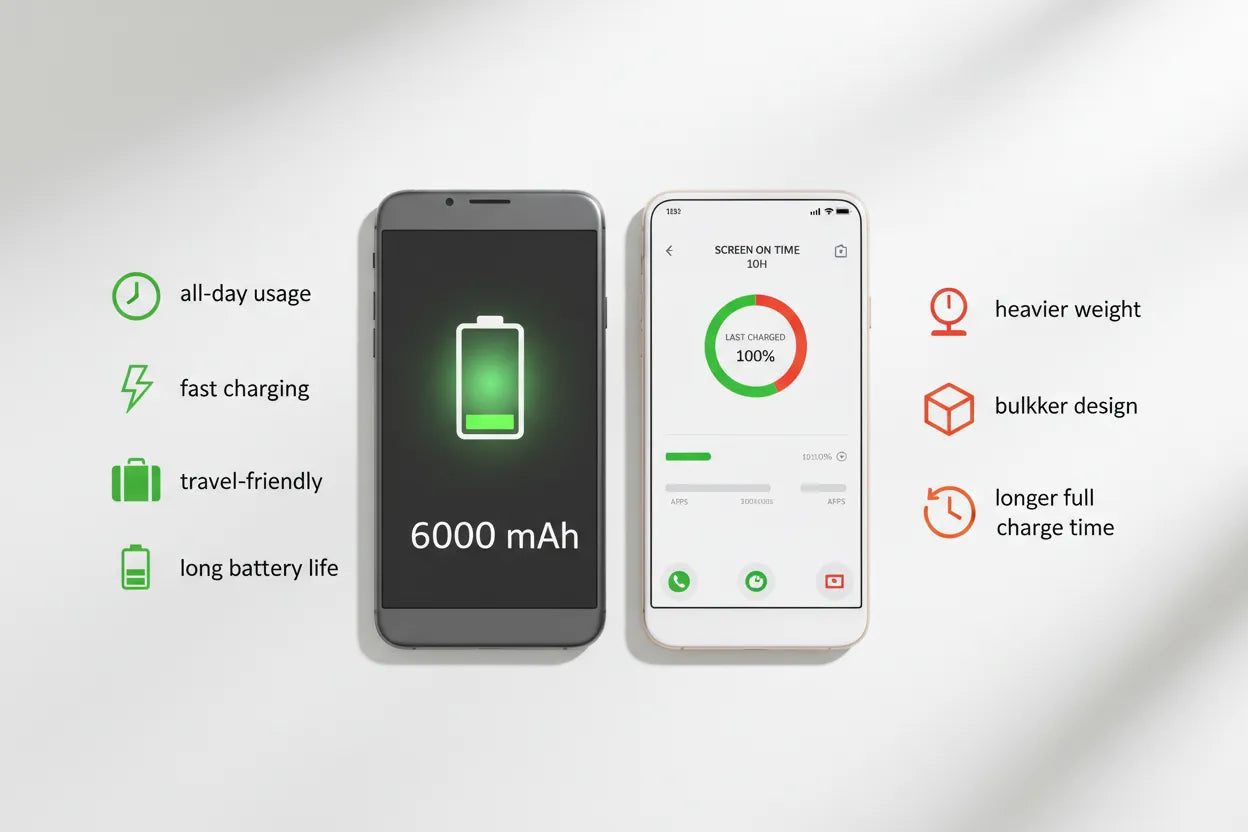 [Section 0 Image — Alt: Two smartphones flat-lay showing pros and cons of 6000 mAh battery capacity]
Is 6000 mAh Battery Good for Mobile Devices? Pros and Cons Explained
Advantages of 6000 mAh Batteries in Portable Electronics
If you want a phone that just keeps going, a 6000 mAh battery is tough to beat. You’ll get up to 2 days on moderate use—sometimes more if you’re easy on it. Compare that with the usual 1 day on a 3000 or 4000 mAh pack and it’s night and day. This is perfect for engineers or users in the field, gamers, or folks in places where charging options are limited or power cuts happen all the time.
Phones with 6000 mAh batteries handle long calls, video streaming, maps, and constant connectivity with ease. Take the Redmi Note 10 Pro—it’s a hit in markets where people depend on their phones for everything. Plus, with fast charging now standard on these models, you won’t be sitting next to a plug for hours. You can recharge quickly and get back to work or play.
Checklist: When a 6000 mAh Battery Is a Smart Pick
- You need more than 1.5 days of phone use per charge
- Your device runs demanding apps (gaming/5G/video calls)
- Quick recharging is important due to work shifts or field use
- You want fewer charge cycles to reduce battery wear
- Device weight/size isn’t your top concern
Bottom line: If you value long backup, run power-hungry apps, or travel away from sockets, a 6000 mAh battery is a solid choice.
Drawbacks and Design Considerations for High Capacity Batteries
Now, the flip side. A 6000 mAh battery adds obvious bulk—think 30–40% heavier and thicker compared to a 3000 mAh one. That makes your device wider and a bit less pocket-friendly. The extra battery cell capacity also means more surface area and heat to manage, especially during fast charging or if you’re pushing the CPU or GPU hard.
Costs rise too—expect to pay 20–30% more than for lower-capacity batteries. Building a 6000 mAh pack often means using multiple cells in parallel, so circuit design gets trickier. You’ll need smart charging ICs, accurate balancing, and protection against overheating or battery swell. Skimping here is risky—not worth it.
Worth remembering: Bigger batteries demand smarter design—don’t skip on thermal or protection circuits just to squeeze in more mAh.
Understanding 6000 mAh Battery Life and Performance in Lithium Ion Cells
How Battery Cell Chemistry Influences 6000 mAh Performance
The real story behind long 6000 mAh battery life? Battery cell chemistry. Most high-capacity mobiles use lithium-ion cells—usually NMC (nickel manganese cobalt) or LFP (lithium iron phosphate). NMC packs higher density, so you get more juice in a smaller space, but they may not last as many charge cycles as LFP. LFP cells stay cooler, safer, and usually last longer—sometimes up to 2000 cycles if treated gently.
To hit 6000 mAh, engineers often parallel several cells. That requires careful matching and balancing so you don’t get weak links. Pick NMC if you want faster charging and can accept a little faster aging. LFP makes sense where maximum safety and long cycle life matter more. Chemistry really does decide backup time, size, and operating temperature range.
Bottom line: The “best” 6000 mAh battery depends on whether you want more capacity, faster charging, or longer total lifespan.
Impact of Usage Patterns and Environmental Factors on Battery Life
How you use your device totally changes your real-world 6000 mAh battery life. Constant gaming, video calls, or GPS eats battery fast. You might get 12–18 hours on a charge in heavy-use scenarios. But if your phone spends most of its time in standby or social media, expect up to two days per charge. And in India’s hot summers, batteries degrade quicker—high temps speed up chemical aging and can drop total cycles.
Flagships like Samsung’s Galaxy M32 use special 6000 mAh lithium-ion batteries and better management to keep backup steady in both hot and cold. If your project will be deployed in harsh or shifting climates, always check cell data for temperature range and long-term reliability.
Worth remembering: Usage and temperature are the two biggest battery killers—design, manage, and advise users accordingly.
Comparing 6000 mAh Battery Mobiles with Lower Capacity Alternatives
Usage Time and Efficiency Differences in Real Scenarios
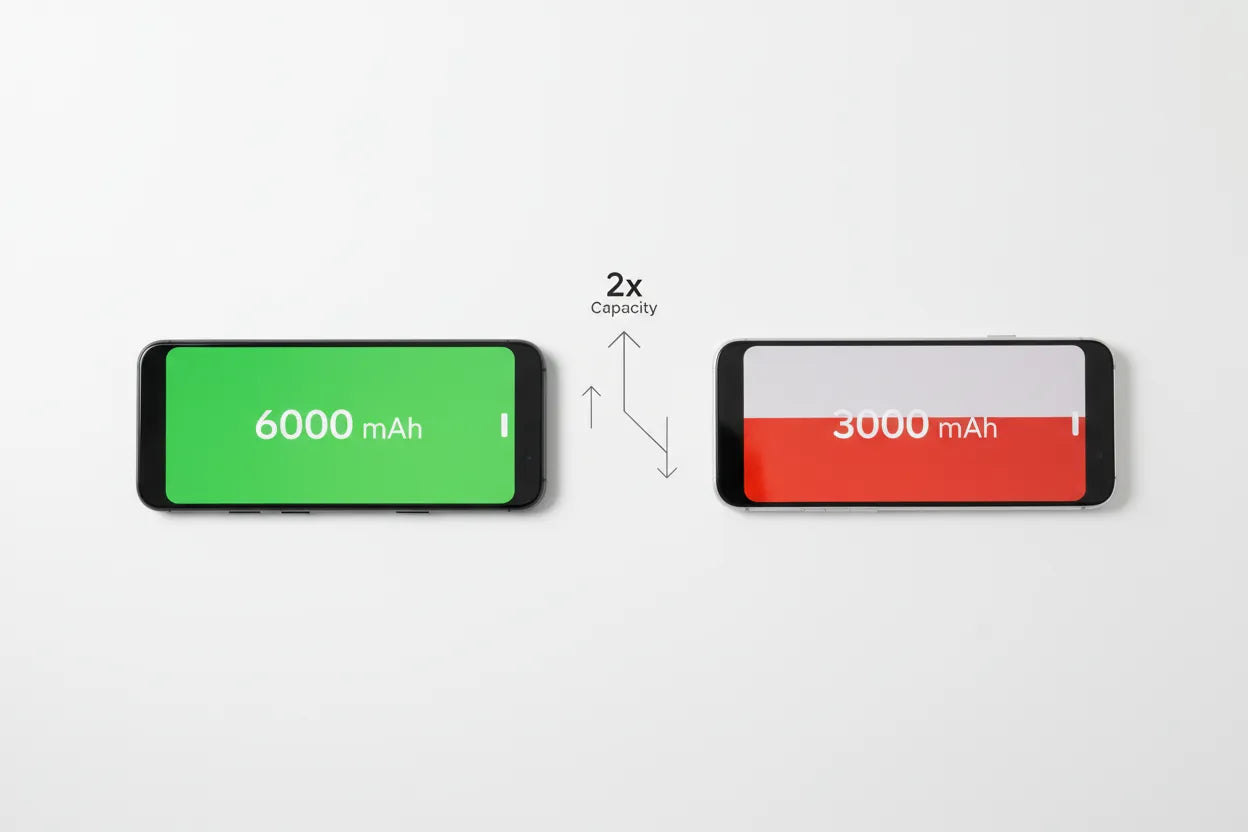
Most phones you see in stores top out at 4000 mAh. If you grab a 6000 mAh battery mobile, get ready for nearly double the backup. That matters for anyone gaming, doing site visits, or away from power for hours on end. For instance, a Realme Narzo with 6000 mAh can keep running all day—even with heavy apps—while a similar phone with 4000 mAh might be gasping by late afternoon.
If your work or travel takes you far from wall sockets, you’ll notice the difference. That’s exactly why users in rural areas or places with patchy power prefer high-capacity battery mobiles—they just can’t take chances with dead batteries mid-shift or on the road.
Bottom line: More mAh really helps—but always factor in how the phone’s software and hardware use that capacity.
Size, Weight, and Cost Considerations for Consumer Electronics
Bigger battery, heavier phone—it‘s as simple as that. Expect a 6000 mAh phone to be up to 40% heavier than a 3000 mAh model. For engineers, this limits what you can squeeze into a small device. Want an ultra-thin phone? 6000 mAh probably won’t fit. You’ll also pay more—about 20–30% higher compared to mid-range battery packs. That’s raw material and assembly costs, not just marketing.
Product teams in markets like India must juggle between offering all-day battery life and keeping devices comfortable to hold and priced right. No easy answers, but the price jump is worth it for the right users.
| Feature | 3000 mAh | 4000 mAh | 6000 mAh |
|---|---|---|---|
| Avg. Usage Time | ~1 day | ~1.2 days | ~2 days |
| Relative Weight | 1x | 1.2x | 1.4x |
| Avg. Cost (INR) | 800 | 1100 | 1400+ |
Worth remembering: If weight and price matter most, stick to 3000–4000 mAh. If backup time trumps everything, go 6000 mAh and design around it.
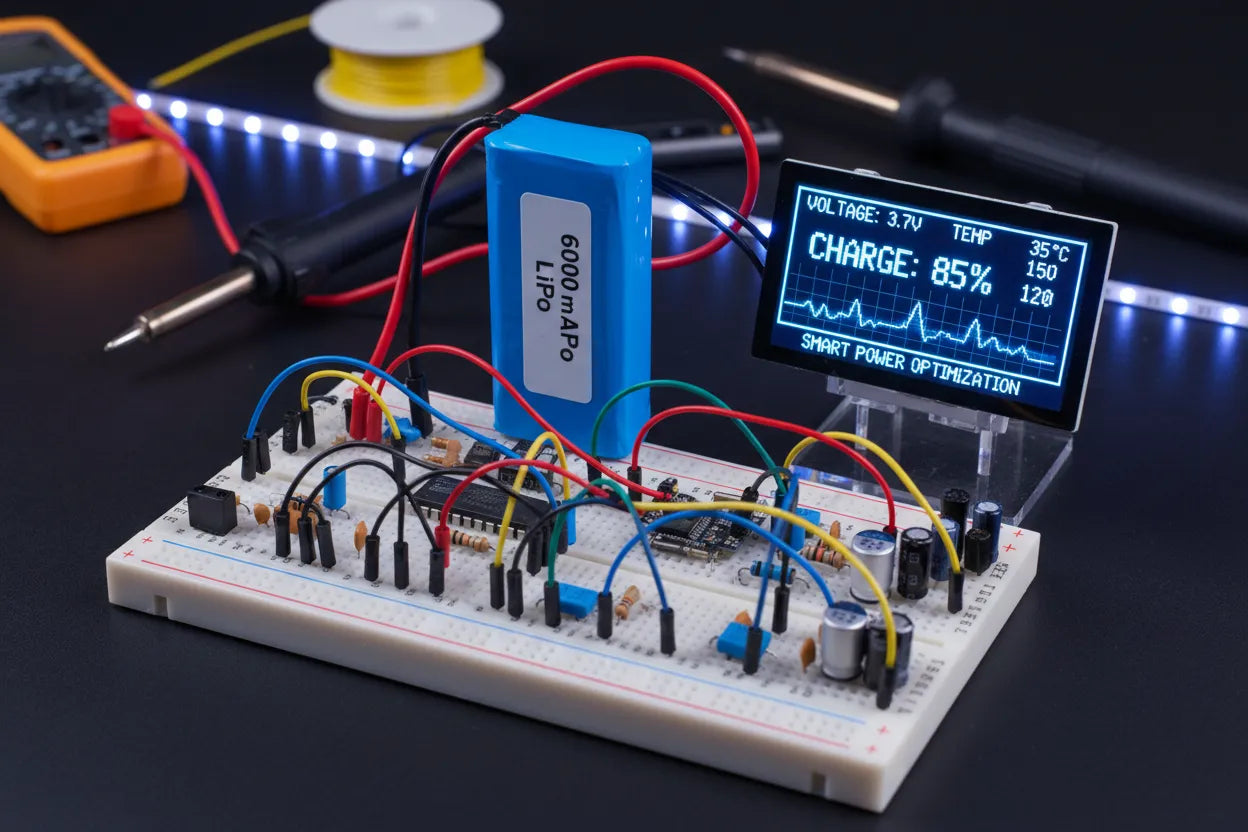
Optimizing 6000 mAh Lithium Ion Battery Usage and Management
Implementing Fast Charging and Thermal Management Techniques
Modern 6000 mAh lithium ion batteries support blazing fast charging, so you won’t be chained to a wall socket. With Quick Charge 4.0+ or similar, you can hit 50% in just 30 minutes. The catch? More current equals more heat. Smart power management chips, temp sensors, and copper spreaders in the battery cell keep things cool and safe.
Phones like the Micromax In Note 1 pair large batteries with upgraded chargers and heat management. This way, even under full load or fast charging in Indian summers, performance stays stable and battery life isn’t cut short by overheating.
Bottom line: Don’t skimp on heat management or protection ICs for high-capacity batteries—your users (and warranty team) will thank you.
Leveraging AI-Driven Battery Management Circuit Designs
Now, AI tools like ElectroGlobal’s RapidChip are a game-changer for battery management. They track usage, temp shifts, and charging habits in real time, automatically tweaking charging or discharging to keep every cell happy. This makes batteries last longer and stay safer, especially for DIY or industrial projects where every cycle counts.
Custom PMICs and AI-driven software help balance cells, prevent wear, and even spot early warning signs of battery failure. For engineers, this means more uptime and fewer support headaches. If you’re building anything with a 6000 mAh battery, AI-powered design tools are seriously worth it.
Worth remembering: Smarter battery management isn’t just marketing—it’s real longevity and safety for you and your users.
In a nutshell, a 6000 mAh lithium-ion battery can transform your device’s uptime, but you’ll need to work around extra weight, cost, and heat. Whether you’re in the field, gaming, or building the next must-have gadget, these batteries offer serious value—as long as you focus on cell chemistry, good circuit design, and smart charging management.
With cloud platforms like ElectroGlobal’s RapidChip, you can design, simulate, and tune every part of your 6000 mAh lithium ion battery setup—right from PCB layout to charging profiles. The right battery management system (BMS) and AI tools mean longer device life, less hassle, and a better user experience. If you’re hungry for more tips or want to level up your next project, check out Electro Global for technical resources and ready-to-ship battery cell packs.
For reference on 6000 mAh battery life and industry standards, see: 6000 mah battery life.
Frequently Asked Questions
What does 6000 mAh mean in a mobile battery?
6000 mAh means the battery can supply 6000 milliampere-hours of charge. In plain terms, that’s enough to run a device pulling 1000 milliamps for six hours straight—or 6000 milliamps for one hour. It’s just a unit showing total charge stored. Bigger mAh = more backup time for your mobile or gadget.
How long will a 6000 mAh battery last in a mobile device?
For average daily use—calls, browsing, some gaming—you’ll get 1.5 to 2 days between charges. If you’re gaming or streaming nonstop, expect more like 12 to 18 hours. Actual life depends a lot on screen size, network use, and software optimization. Heavy users will notice shorter runtime, but it’s still much better than 4000 mAh batteries.
Is a 6000 mAh battery good for gaming phones and heavy use?
Yes, definitely. Gaming and 5G eat a lot of power, so a 6000 mAh battery shines here. You’ll rarely see a “low battery” warning before you’re done for the day. These batteries are popular with engineers making demo or test units too, since they don’t need recharging during long test runs.
What are the disadvantages of a 6000 mAh battery?
Biggest issues: extra weight, thicker device, and higher price. A 6000 mAh battery can add 30–40% to the weight versus smaller packs. It also needs more space, so no super-slim designs. Costs go up by 20–30%. Plus, you’ll need to pay attention to heat and safety—these big packs run hotter and require smarter charging management.
How does battery cell chemistry affect 6000 mAh lithium-ion batteries?
The cell chemistry determines how much energy fits in the battery, how fast it charges, and how long it lasts. NMC gives high energy and fast charging, but may wear out a bit sooner. LFP is safer, stays cooler, and can handle more cycles. Your priorities—speed, backup, or lifespan—will guide the right choice for your 6000 mAh battery mobile or gadget.
Can I use a 6000 mAh battery in smaller devices?
Not really—6000 mAh lithium-ion batteries are too big for tiny gadgets. Their size and heat output limit them to smartphones, tablets, or portable gaming consoles. If you’re designing a tracker, watch, or earbuds, stick to much smaller battery cells (like 200–1000 mAh max).
Do 6000 mAh batteries support fast charging safely?
Yes, but only if the phone and battery pack are designed for it. Most modern 6000 mAh battery mobiles support fast charging like Quick Charge 4.0+. Good fast charging means quality charging ICs, temperature sensors, and cell balancing—so you get quick top-ups without overheating or battery damage.
Is it worth paying extra for a mobile with a 6000 mAh battery in India?
If you’re off the grid, travel lots, or live where power cuts are common, it’s absolutely worth it. The extra cost brings peace of mind—your phone won’t die mid-call or during work. Many folks in India’s rural or remote areas won’t buy anything with less backup these days.
How do I keep a 6000 mAh battery healthy long-term?
Here’s what works: avoid full 0–100% charges every single day, use slow charging when you can, and never leave your phone baking in a parked car or direct sun. Keep it cool. If you treat it right, you’ll get 400–600 full cycles with good performance. That’s often 2–3 years for most users.
How does AI help in managing large battery packs like 6000 mAh?
AI tools look at your real usage, spot unusual heat or current spikes, and auto-tune how the battery charges and discharges. For engineers, this means safer packs, longer battery life, and early warning for failing cells. Tools like RapidChip from ElectroGlobal make it much easier to get the most from any 6000 mAh battery cell—no guesswork, just smart optimization.
Can I replace a 4000 mAh battery with a 6000 mAh one in my existing phone?
Usually not. 6000 mAh batteries are physically larger and need more space—not just a simple swap. The power management circuit and firmware also need to handle the bigger pack safely. Always check compatibility before even thinking about an upgrade; it’s usually a better move to buy a phone built for that battery size.
Are 6000 mAh batteries safe for air travel and shipping?
Yes, as long as they’re certified and packed properly. Airlines and couriers allow lithium-ion batteries under strict guidelines. OEM batteries in devices are fine, but loose cells need to be in hand baggage, insulated, and below airline mAh limits. Always check airline rules if you’re carrying lots of battery cells for a project!
Related Content
From the Blog
- Choosing the Right 6000 mAh Lithium Ion Battery for Your Device
- Complete Guide to 6000 mAh Battery Life for Mobile Devices and More
- Where to Use 7Ah Battery with 12v 7ah Battery Price Insights
- Is 6000 mAh Battery Mobile Worth It For Smartphones in 2026
- Complete Guide to 12v Li Ion Battery Charger Requirements